
Warning! Avoid these small loan pitfalls & stay safe in 2026 to protect your financial health. When you need cash quickly, a small loan can feel like a lifesaver. However, the world of short-term lending is filled with hidden dangers that can turn a manageable problem into a long-term crisis. From sky-high interest rates to deceptive contract terms, these traps are designed to benefit the lender, not you. It’s crucial to arm yourself with knowledge. Keep reading to uncover the most dangerous traps and learn exactly how to navigate the borrowing process safely.
Find Loans That Match Your Profile
Compare vetted lenders side-by-side. Review APR, terms, and eligibility before deciding.
Compare LendersThe Hidden Danger of Sky-High Interest Rates and APRs
One of the most significant dangers of small loans is the often-exorbitant Annual Percentage Rate (APR). Many borrowers focus only on the interest rate, but the APR provides a more complete picture of the loan’s cost. It includes the interest rate plus any additional fees, such as origination or processing charges, expressed as a yearly percentage. According to a helpful guide on Annual Percentage Rate on Wikipedia, this figure is the most accurate measure of a loan’s true cost. Forgetting to check the APR is a common mistake that can lead to severe financial strain. This is a crucial step if you want to heed the warning: Avoid These Small Loan Pitfalls & Stay Safe in 2026.
For example, a $500 payday loan with a $75 fee due in two weeks might seem manageable. However, this translates to an APR of nearly 400%. If you can’t pay it back on time, the costs spiral, trapping you in a cycle of debt. Many short-term and payday lenders thrive on this model, hoping you’ll need to renew or roll over the loan, incurring more fees each time. This is how a small, urgent need for cash can balloon into a debt that’s several times the original amount borrowed. Always compare APRs from multiple lenders before making any decision. Remember, your goal is to avoid these small loan pitfalls and stay safe in 2026.
Related Stories



How to Calculate the True Cost of Your Loan
Before signing any agreement, take a moment to calculate the total amount you will repay. This includes the principal amount plus all interest and fees over the loan’s term. Reputable lenders must disclose this information under the Truth in Lending Act. If a lender is vague about the total cost or pressures you to sign quickly, consider it a major red flag. Understanding the full financial commitment is the first step toward responsible borrowing and avoiding the pitfalls that many consumers fall into. A clear calculation can reveal that a seemingly small loan is actually a very expensive form of credit. This diligence is key to Warning! Avoid These Small Loan Pitfalls & Stay Safe in 2026.
Warning! Avoid These Small Loan Pitfalls: The Trap of Hidden Fees
Beyond the advertised interest rate, many small loans come loaded with hidden fees that significantly inflate the total cost. These charges are often buried in the fine print of the loan agreement, catching unsuspecting borrowers by surprise. Lenders may not voluntarily highlight these costs, making it your responsibility to investigate thoroughly. Failing to account for these fees is a critical error. This is a primary area where you must be vigilant to truly understand what you’re agreeing to. A proactive approach is the best defense against these unexpected charges, helping you Warning! Avoid These Small Loan Pitfalls & Stay Safe in 2026.
These extra costs can come in many forms, each chipping away at your finances. Being aware of the most common types is essential for your protection. The cumulative effect of these charges can easily turn an affordable loan into a financial burden. Always ask for a complete list of all potential fees before you commit. A transparent lender will have no problem providing this information. If they hesitate, you should walk away.
- Origination Fees: A charge for processing your loan application, often deducted from the loan amount you receive.
- Prepayment Penalties: A fee for paying off your loan early. This punishes you for being financially responsible.
- Late Payment Fees: While common, these can be excessively high on predatory loans, making it harder to catch up if you fall behind.
- Insufficient Funds Fees: If an automatic payment bounces, the lender may charge you a hefty fee on top of what your bank charges.
- Renewal Fees: Charged each time you roll over the loan, extending the due date without paying down the principal.
Identifying and Steering Clear of Predatory Lenders
Predatory lenders use deceptive, unfair, or fraudulent practices to strip wealth from borrowers. They often target individuals in desperate financial situations, knowing they are more likely to overlook red flags. These lenders create loan terms that are nearly impossible for the borrower to repay, setting them up for a cycle of debt. A key tactic is offering seemingly easy approval, like loans with no credit check, which can be a lure for more dangerous terms. While some legitimate options exist, as detailed in this guide to small loans with no credit check, it’s a market that requires extreme caution if you want to Warning! Avoid These Small Loan Pitfalls & Stay Safe in 2026.
Protecting yourself starts with recognizing the warning signs. Predatory lenders often pressure you to act immediately, giving you no time to read the contract or shop around. They might guarantee approval without looking at your financial history or ask you to sign documents with blank spaces. Another major red flag is a lender who isn’t transparent about their fees and costs, or one who doesn’t have a secure website or a physical office address. Trust your instincts; if an offer seems too good to be true, it almost certainly is. A reputable lender will encourage you to take your time and understand the terms completely.
Red Flags of a Predatory Lending Scam
Vigilance is your best tool against predatory lending. Be on the lookout for lenders who promise guaranteed approval or demand upfront fees before you even receive the loan. Legitimate lenders never require a fee to guarantee approval. Also, be wary of lenders who push you to borrow more than you need or try to pack the loan with unnecessary insurance products. Any lender that is not registered in your state is operating illegally and should be avoided at all costs. Checking a lender’s credentials with your state’s financial regulation agency is a crucial step.
The Cycle of Debt: How Rollovers and Renewals Trap Borrowers
The debt cycle is one of the most destructive small loan pitfalls. It begins when a borrower is unable to repay a short-term loan on its due date. Instead of defaulting, the lender offers to “roll over” or “renew” the loan for another term. This means the borrower pays a fee to extend the loan, but the original principal amount remains untouched. According to reporting by outlets like Reuters, this practice is a hallmark of the payday loan industry and can lead to consumers paying many times the original loan amount in fees alone. (see also: Best Guide: Bad Credit? Proven Ways to Get Small Personal Loans in 2026)
Imagine you take a $400 loan with a $60 fee, due in two weeks. If you can’t pay the $460, the lender may offer to roll it over for another two weeks for another $60 fee. Now you’ve paid $120 in fees and still owe the original $400. This process can be repeated multiple times, creating a quicksand of debt that becomes increasingly difficult to escape. The loan is structured to make full repayment challenging, ensuring a steady stream of income for the lender from renewal fees. This model preys on financial instability and can have devastating consequences for individuals and families caught in the trap. This highlights why it’s so important to Warning! Avoid These Small Loan Pitfalls & Stay Safe in 2026.
Breaking free from this cycle requires a clear strategy. The following steps can help you regain control if you find yourself in this situation.
- Stop All Rollovers Immediately: While it may be difficult, extending the loan only deepens the debt. Contact the lender to discuss a payment plan on the original balance.
- Seek Credit Counseling: Non-profit credit counseling agencies can help you create a budget and negotiate with lenders on your behalf.
- Explore Debt Consolidation: A personal loan from a credit union or reputable bank may offer a lower interest rate to pay off the high-interest small loan.
- Understand Your Legal Rights: Research your state’s laws regarding payday loans and short-term lending. Some states have protections in place to limit fees and rollovers.
Your Data at Risk: Privacy and Security Concerns with Online Lenders
In the digital age, applying for a loan online is convenient, but it also carries significant risks to your personal data. When you fill out an online loan application, you are providing sensitive information, including your Social Security number, bank account details, and employment information. If the lender’s website is not secure, this data can be intercepted by hackers. Illegitimate lenders may also sell your information to third parties, leading to a flood of spam calls, phishing emails, and even identity theft. The consequences can be far-reaching and difficult to resolve.
Before entering any personal details, you must verify the lender’s legitimacy and security measures. Look for “https” in the website URL and a padlock symbol in the address bar, which indicates the connection is encrypted. A legitimate lender will also have a clear and accessible privacy policy that explains how your data is used and protected. Be wary of websites that look unprofessional or lack contact information like a physical address and phone number. Protecting your data is just as important as protecting your wallet; a data breach can cause financial problems for years to come, a risk highlighted in guides on avoiding scams like this one about protecting your future from loan scams. (see also: Your Guide: Small Loans with No Credit Check – Avoid Hassle Now)
Warning! Avoid These Small Loan Pitfalls by Checking the Fine Print
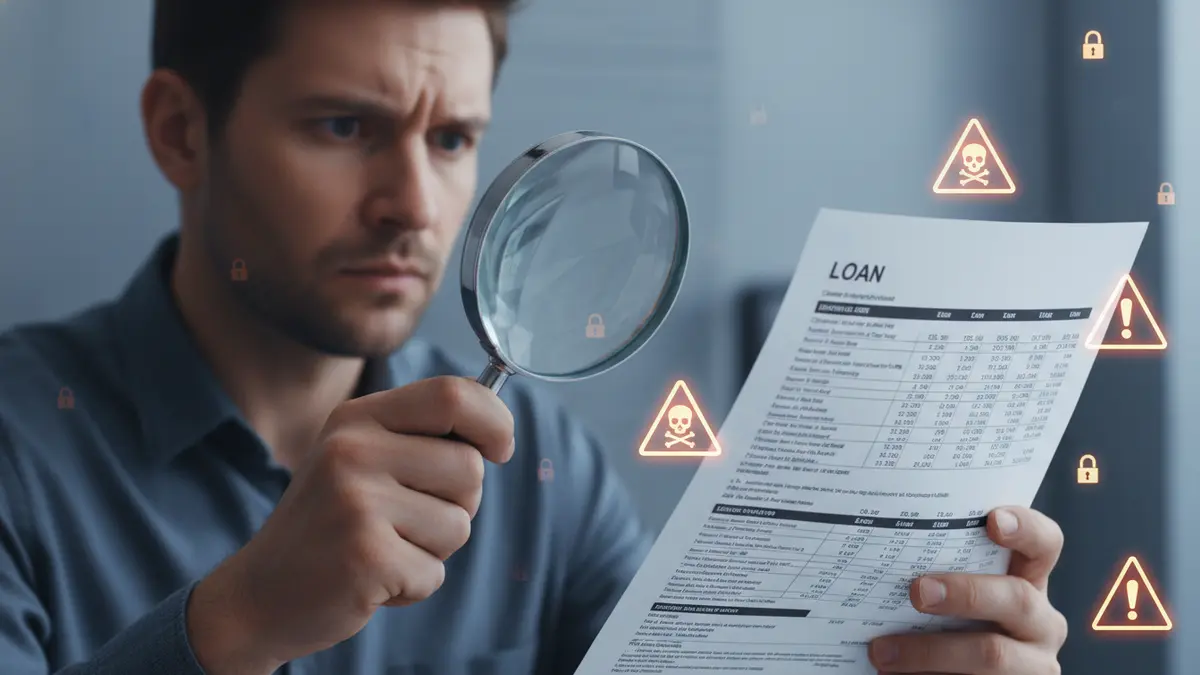
The loan agreement is a legally binding contract, and overlooking its details is a mistake that can cost you dearly. The fine print contains all the crucial information about your loan, including the exact repayment schedule, what constitutes a default, and the penalties you will face if you miss a payment. Many borrowers, especially those in a hurry, simply sign the document without reading it thoroughly. This is exactly what predatory lenders count on. The terms hidden in the fine print are designed to favor the lender and can include clauses that give them significant power over your finances if you run into trouble. This is why you must Warning! Avoid These Small Loan Pitfalls & Stay Safe in 2026.
You must take the time to read every single word of the agreement before you sign. If you don’t understand something, ask for clarification. If the lender is unwilling to explain the terms in simple language, that is a major red flag. Pay special attention to clauses related to prepayment penalties, automatic bank withdrawals (ACH authorization), and the lender’s rights in case of default. A careful review is your last line of defense. Remember, once you sign, you are legally obligated to adhere to all the terms, whether you understood them or not. Never rush this critical step in the borrowing process.
Key Terms to Scrutinize in Your Loan Agreement
When reviewing your loan documents, focus on a few key areas to ensure you aren’t being taken advantage of. First, locate the Total Amount Payable—this is the full amount you will have paid by the end of the loan term, including principal, interest, and all fees. Next, verify the exact due dates and amounts for each payment. Also, look for any language about mandatory arbitration, which may limit your ability to take legal action in case of a dispute. Finally, check the default terms to understand the exact consequences of missing even a single payment. Being informed protects you from future surprises.
Frequently Asked Questions
What is the biggest pitfall of a small loan?
The biggest pitfall is the extremely high Annual Percentage Rate (APR), which includes interest and all fees. Many borrowers are trapped in a cycle of debt when they can’t repay the loan, leading to costly rollovers and renewals. This can cause the total amount repaid to be many times the original loan amount, turning a short-term fix into a long-term financial disaster.
Can a small loan hurt my credit score?
Yes, it can. If the lender reports to credit bureaus, missed or late payments will negatively impact your credit score. Conversely, making all payments on time can help build your credit. However, many short-term or payday lenders do not report to the major credit bureaus, so the loan may not help your score even if you pay it perfectly. (see also: Ultimate Guide: Find the Best Small Personal Loans for Your Needs)
Are online small loans safe?
They can be, but you must be extremely cautious. Only use reputable lenders with secure, encrypted websites (look for “https” in the URL). Read reviews, check for a physical address, and verify their license to operate in your state. Avoid lenders who guarantee approval or ask for upfront fees, as these are often signs of a scam that could compromise your personal data.
What happens if I can’t repay my small loan?
If you can’t repay, contact your lender immediately to discuss options like a payment plan. Ignoring the debt can lead to aggressive collection tactics, damage to your credit score, and potentially a lawsuit. Avoid rolling over the loan, as this will only increase the total amount you owe through additional fees.
How can I find a legitimate small loan lender?
To find a legitimate lender, check with credit unions, local banks, and well-known online lending platforms. Look for lenders who are transparent about their rates and fees. You can also check with your state’s financial regulatory agency to ensure the lender is licensed. Reading third-party reviews and avoiding high-pressure sales tactics are also key steps.
Your Next Steps to Secure a Safe Small Loan
Navigating the world of small loans requires diligence and a healthy dose of skepticism. The most dangerous pitfalls—crippling APRs, hidden fees, predatory tactics, and data security risks—are avoidable if you know what to look for. By carefully reading every document, asking questions, and understanding the true cost of borrowing, you can take control of the process. Remember this warning: Avoid these small loan pitfalls & stay safe in 2026 by prioritizing transparency and responsibility. For a trusted starting point, this ultimate guide to finding the best small loans can help you identify reputable options for your needs.
Sources
- Federal Reserve — authoritative reference
- IRS — authoritative reference
- Consumer Financial Protection Bureau — authoritative reference
- Federal Trade Commission — authoritative reference
- Investopedia — authoritative reference
Frequently Asked Questions
What constitutes a small loan?
A small loan typically refers to an amount of money borrowed that is relatively minor, often ranging from a few hundred to a few thousand dollars. These loans are designed to cover immediate, short-term financial needs or unexpected expenses. They usually feature shorter repayment periods compared to larger loans, and interest rates can vary significantly depending on the lender and the borrower’s creditworthiness.
What are the common types of small loans available?
Common types of small loans include personal loans, payday loans, title loans, and installment loans. Personal loans, often from banks or credit unions, are generally the safest. Payday and title loans are high-interest, short-term options best avoided due to their predatory nature. Installment loans offer a fixed repayment schedule over several months or years, making budgeting easier for borrowers. (see also: How to Access Your Online Loan Account Portal)
How can I improve my chances of getting approved for a small loan?
To improve your approval chances, focus on building a good credit score by paying bills on time and keeping credit utilization low. Lenders also consider stable employment, a consistent income, and a low debt-to-income ratio. If your credit isn’t perfect, consider applying with a co-signer or exploring credit unions, which may offer more flexible terms for their members. (see also: What Are the Best Online Loan Payoff Strategies?)
What are the primary risks associated with small loans?
The main risks include high interest rates, especially with predatory lenders like payday or title loan providers, which can lead to a cycle of debt. Short repayment terms can also make it difficult to meet obligations, resulting in late fees, penalties, and damage to your credit score. Always read the fine print to understand all fees and repayment expectations before committing to any loan. (see also: Ultimate Lender X Online Loan Review: Is It Right For You?)
When is a small loan a suitable financial option?
A small loan can be suitable for genuine emergencies, such as unexpected medical bills, urgent car repairs, or essential home maintenance, when you lack an emergency fund. It should be a last resort, used only when you have a clear plan for repayment and can comfortably afford the installments without straining your budget. Avoid using small loans for discretionary spending or to consolidate other high-interest debt without a solid strategy.
Conclusion
Navigating the world of small loans requires vigilance and informed decision-making. While they can offer a crucial lifeline during unexpected financial challenges, the landscape is fraught with potential pitfalls, particularly from predatory lenders. By understanding the terms, scrutinizing interest rates, verifying lender legitimacy, and planning your repayment strategy diligently, you can harness the benefits of a small loan without falling prey to debt traps. Always prioritize your financial safety and choose options that align with your long-term well-being.