
Find Loans That Match Your Profile
Compare vetted lenders side-by-side. Review APR, terms, and eligibility before deciding.
Compare LendersAre you juggling multiple credit card payments each month? Do you feel like you’re on a treadmill, making payments but never seeing the balances decrease? The stress of managing various due dates, interest rates, and statements can be overwhelming. It’s a common financial trap, but there is a powerful, strategic way out.
A personal loan for debt consolidation offers a **Consolidate Debt Proven** strategy that can transform that chaotic pile of bills into a single, manageable monthly payment, often with a lower interest rate, giving you a clear finish line in your journey to becoming debt-free.
Related Stories


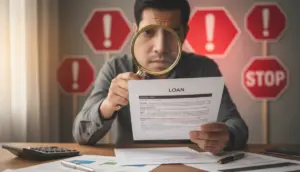

This isn’t just about shuffling debt around; it’s about taking control. By streamlining your finances with a **Consolidate Debt Proven** approach, you can simplify your life, save money on interest, and potentially improve your credit score. In 2026, lenders are offering competitive options for borrowers looking to regain their financial footing. Let’s break down how this strategy works and if it’s the right move for you.
What is Debt Consolidation and Why Is It a Smart Move?
At its core, debt consolidation is a **Consolidate Debt Proven** method of taking out a single new loan to pay off multiple existing debts. Instead of sending payments to three credit card companies, a store card, and a medical bill, you make one single payment to your new personal loan lender. This simple change can have a profound impact on your financial health and peace of mind.
The primary benefits make it a compelling option for many:
- Simplicity: One loan, one due date, one monthly payment. This drastically reduces the mental energy spent tracking bills and minimizes the risk of accidentally missing a payment.
- Lower Interest Rates: Personal loans, especially for those with fair to good credit, often have significantly lower interest rates than credit cards. The average credit card APR can hover near 20% or higher, while a personal loan could be in the single digits or low teens. This difference means more of your payment goes toward the principal balance, not just interest.
- Fixed Repayment Schedule: Unlike credit cards with their revolving balances, a personal loan is an installment loan. You get a fixed interest rate and a set loan term (e.g., 36 or 60 months). You’ll know exactly when your loan will be paid off, providing a clear light at the end of the tunnel.
- Potential Credit Score Boost: Successfully managing a personal loan can positively impact your credit score. It diversifies your credit mix and, as you pay off credit cards, it lowers your credit utilization ratio—a major factor in credit scoring models.
The Step-by-Step Process: Using a Personal Loan to Consolidate
Executing a **Consolidate Debt Proven** strategy is straightforward. The key is to be methodical and thorough. Follow these steps to ensure a smooth and successful transition from debt chaos to streamlined control.
Step 1: Assess Your Total Debt. Before you do anything else, you need a clear picture of what you owe. Create a list of all your debts (credit cards, store cards, high-interest loans), noting the current balance and the Annual Percentage Rate (APR) for each. Sum up the balances to determine the total loan amount you need.
Step 2: Check Your Credit Score. Your credit score is the most critical factor in determining the interest rate you’ll be offered. You can get your score for free from many credit card issuers or credit monitoring services. Knowing your score will help you gauge what kind of loan terms you can realistically expect. (see also: Best Finance Apps: Your Ultimate Guide to Money in 2026)
Step 3: Shop and Compare Lenders. Don’t take the first offer you see. To compare fast loans effectively, get pre-qualified offers from multiple sources, including your local bank, credit unions, and reputable online lenders. Pre-qualification typically uses a soft credit check, so it won’t impact your score. Focus on comparing the APR, not just the interest rate, as the APR includes most fees.
Step 4: Apply for the Best Loan. Once you’ve chosen a lender with favorable terms, it’s time to complete the full application. This will involve a hard credit inquiry. Our Fast Personal Loan Application Guide 2026 provides detailed tips for a smooth process.
Step 5: Pay Off Your Old Debts. Once your loan is approved and the funds are deposited into your account, use the money immediately to pay off every single one of the debts you listed in Step 1. Do not use the money for anything else. Some lenders even offer to send the payments directly to your creditors for you.
Step 6: Begin Your New Payment Plan. Start making on-time monthly payments for your new, single personal loan. Consider setting up automatic payments to ensure you never miss a due date.
Is a Debt Consolidation Loan Right for You in 2026?
While powerful, a debt consolidation loan isn’t a magic wand. It’s a **Consolidate Debt Proven** tool that works best for individuals in specific situations and with the right mindset. This strategy is likely a great fit if:
- You have high-interest debt: The primary goal is to save money. If your credit card APRs are 18% or higher, and you can qualify for a personal loan at 10%, the savings are substantial.
- Your credit is fair to excellent: A credit score of 670 or higher will generally qualify you for the competitive rates that make consolidation worthwhile.
- You crave simplicity: If the stress of juggling multiple payments is taking a toll, the streamlined nature of a single payment can provide significant relief.
- You are committed to changing spending habits: This is crucial. The loan only solves the math problem; it doesn’t solve the behavior problem that led to the debt. You must be disciplined enough to avoid running up new balances on your now-zeroed-out credit cards.
However, you might want to reconsider if your credit score is too low to secure a favorable rate. For those in this situation, it may be more challenging, but not impossible. Exploring proven ways to get a fast personal loan with bad credit can provide alternative paths and strategies. (see also: How to Get Online Loan Forgiveness (Eligibility Guide))
The Post-Consolidation Playbook: Ensuring Long-Term Success
Getting the loan is only half the battle. The real victory comes from using this opportunity to build a healthier financial future. This **Consolidate Debt Proven** playbook separates those who succeed from those who end up back in debt.
1. Stop Using the Old Cards: The biggest trap is viewing your paid-off credit cards as newfound spending power. The best practice is to stop using them altogether. Either close the accounts (be aware this can slightly lower your credit score temporarily) or store them away for true emergencies only.
2. Automate Everything: Set up an automatic transfer from your checking account to your new loan provider a day or two before the due date. This makes your payment effortless and protects your credit score from accidental late payments.
3. Build a Real Budget: With your debt payments simplified, now is the perfect time to create a detailed monthly budget. Track your income and expenses to understand where your money is going. This will help you address the spending habits that led to debt in the first place and allow you to start building savings.
4. Monitor Your Progress: Keep an eye on your loan balance and your credit score. Watching the balance shrink and your score climb is a powerful motivator to stay on track. This positive reinforcement will help you stick to your new financial plan.
Exploring Alternatives to Personal Loans for Debt Consolidation
While a personal loan is a highly effective and proven personal loan strategy to consolidate debt, it’s not the only route. Understanding all your options ensures you choose the best fit for your unique financial situation. Other methods, while different in their mechanics, also aim to streamline payments and reduce interest burden. (see also: What Are the Best Online Loan Payoff Strategies?)
Balance Transfer Credit Cards
For individuals with excellent credit, a balance transfer credit card can be an attractive option. These cards typically offer an introductory 0% APR period (often 12-21 months) on transferred balances. The key is to pay off the entire transferred amount before the promotional period ends, as the APR will revert to a much higher rate. Be mindful of balance transfer fees, which usually range from 3% to 5% of the transferred amount, but this can still be a smart move if you can eliminate the debt within the intro period.
Debt Management Plans (DMPs)
If your credit isn’t strong enough for a personal loan or balance transfer, or if you struggle with self-discipline, a Debt Management Plan (DMP) through a non-profit credit counseling agency might be suitable. In a DMP, the agency negotiates with your creditors to lower interest rates and waive fees, then consolidates your payments into one monthly sum they distribute. While effective for consolidating debt proven to be unmanageable, DMPs may require closing credit card accounts and can impact your credit score in a different way than a loan, though often positively in the long run.
Understanding the True Cost: Beyond the Interest Rate
When you consolidate debt, focusing solely on the advertised interest rate can be misleading. A truly **Consolidate Debt Proven** strategy involves dissecting the full cost of the loan to ensure you’re getting the best deal and maximizing your savings.
The Annual Percentage Rate (APR) is a more accurate indicator, as it encompasses more than just the simple interest rate.
Origination Fees and Other Charges
Many personal loans come with an origination fee, which is a one-time charge deducted from your loan proceeds. This fee can range from 1% to 8% of the total loan amount. While it might seem small, it directly reduces the amount of money you receive to pay off your existing debts.
Always inquire about all potential fees, including late payment fees or prepayment penalties, although the latter is less common with personal loans for debt consolidation.
The Importance of APR
The APR (Annual Percentage Rate) is a more comprehensive measure of the cost of borrowing because it includes both the interest rate and most fees associated with the loan, expressed as a yearly percentage. When comparing loan offers, always use the APR as your primary metric.
A loan with a slightly lower interest rate but a higher origination fee could end up having a higher APR and thus be more expensive overall. Ensure the APR on your new consolidation loan is significantly lower than the weighted average APR of your existing high-interest debts.
Further Reading
For deeper context and authoritative perspectives, consult these sources: (see also: Debt Consolidation with Bad Credit: A Fresh Start Guide 2026)
Frequently Asked Questions (FAQ)
Will consolidating debt with a personal loan hurt my credit score?
There might be a small, temporary dip in your credit score. This is due to the hard inquiry when you apply for the loan and the new account lowering the average age of your credit history. However, over the medium to long term, it should have a positive effect.
By paying off credit cards, you lower your credit utilization ratio, and by making consistent, on-time payments on the new loan, you build a positive payment history—both of which are major factors that can significantly boost your score.
What is a good interest rate for a debt consolidation loan in 2026?
A “good” rate is entirely relative to the rates on the debts you are consolidating. The primary rule is that the new loan’s APR must be lower than the weighted average APR of your existing debts. For someone with excellent credit (760+), rates can be in the single digits.
For someone with fair credit (670-700), a rate in the low-to-mid teens might be considered good if it’s still much lower than their 22% credit card rates.
What happens if I can’t stop using my credit cards after consolidating?
This is the single biggest risk of debt consolidation. If you consolidate your debt but continue to spend on credit cards, you will end up in a much worse financial position. You’ll have the new loan payment *plus* new credit card debt.
This strategy requires a firm commitment to changing your spending habits. If you don’t trust yourself, consider closing the credit card accounts as soon as you pay them off with the loan funds.
Conclusion: Your Path to Financial Clarity
Feeling buried under a mountain of debt is demoralizing, but a personal loan for debt consolidation offers a clear, strategic, and **Consolidate Debt Proven** path forward. By exchanging multiple high-interest payments for a single, fixed-term loan, you are not just simplifying your finances—you are actively saving money and creating a definite end date for your debt.
Success in 2026 hinges on securing a loan with a favorable APR and, most importantly, committing to responsible financial habits once your old debts are cleared. This is your chance to reset, rebuild, and regain control.
Ready to take the first step towards financial freedom? Begin by exploring your options and comparing personal loan offers to find the rate and term that will empower you to leave debt behind for good.
Sources
- Federal Reserve — authoritative reference
- IRS — authoritative reference
- Consumer Financial Protection Bureau — authoritative reference
- Federal Trade Commission — authoritative reference
- Investopedia — authoritative reference