
Financial freedom starts here: best apps for everyday budgeting provide a clear path away from financial stress and toward a future of stability and growth. If you feel like your money vanishes each month, you’re not alone. The complexity of modern finances, with multiple accounts and digital payments, makes tracking every dollar a challenge.
However, the solution is likely already in your pocket. This guide will explore the tools that transform confusion into clarity, helping you find the perfect app to master your money. Ready to take the first step?
Related Stories




Why Digital Budgeting is a Game-Changer for Your Finances
Moving on from manual spreadsheets and the classic envelope system is a significant upgrade for your financial health. Digital budgeting apps automate the tedious process of tracking expenses, offering a real-time, crystal-clear view of your financial landscape.
Instead of spending hours categorizing receipts, these tools sync directly with your bank accounts and credit cards, instantly sorting transactions. This immediate feedback loop is crucial for making smarter spending decisions on the fly.
You see precisely where your money is going, from daily coffee runs to monthly subscriptions. This is where the concept of Financial Freedom Starts Here: Best Apps for Everyday Budgeting truly comes to life, empowering users to take control.
This technological shift has been widely embraced. A significant portion of adults now use technology to manage their finances, leveraging these platforms to build savings and reduce debt.
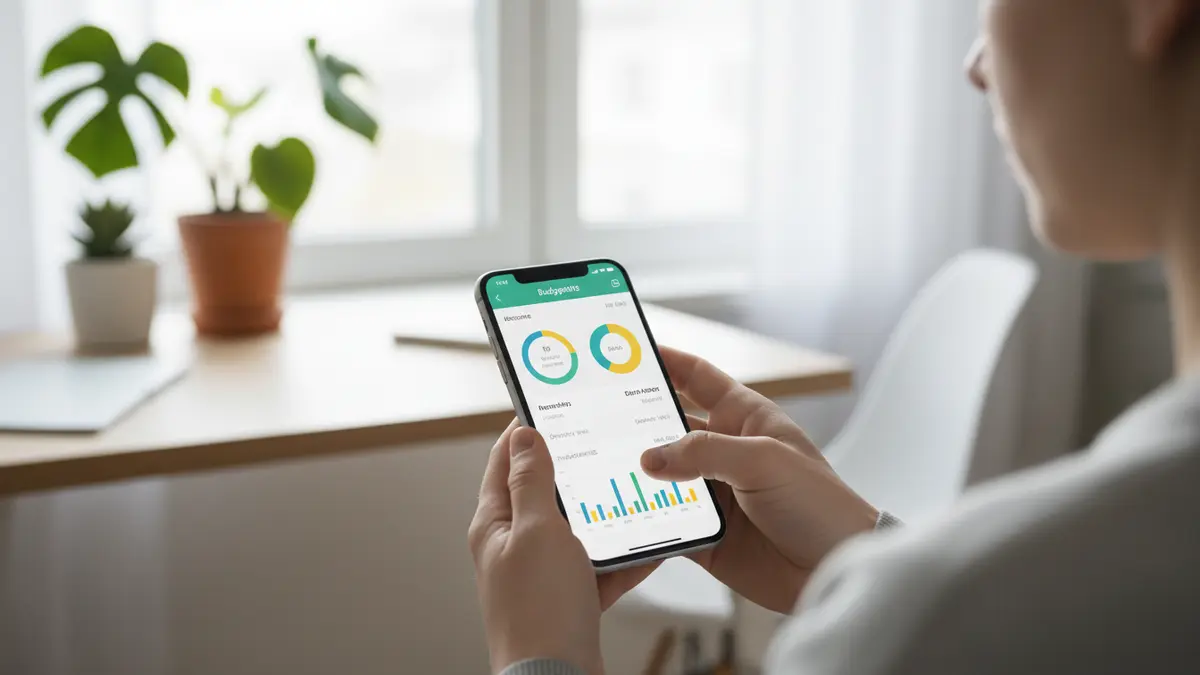
The power lies in the data; apps generate insightful reports and visual charts that make complex financial data easy to understand. This accessibility empowers you to spot spending trends, identify savings opportunities, and stay accountable to your goals.
It’s no longer about restrictive budgeting but about informed, conscious spending that aligns with your long-term vision of financial independence.
Core Features to Look For in Top Budgeting Apps
When selecting a tool to manage your money, not all apps are created equal. The most effective platforms share a set of core features designed to simplify your life and maximize your financial awareness.
Understanding these key components helps you choose an application that will grow with you. A great starting point is learning how to budget like a pro by recognizing top app features.
Look for a comprehensive tool that offers a holistic view of your finances without being overwhelming, ensuring that Financial Freedom Starts Here: Best Apps for Everyday Budgeting becomes a reality for you. (see also: Best Money Management Apps for 2026: Transform Your Wallet)
The best apps for everyday budgeting should offer a robust suite of features. Here are the essentials you should prioritize: (see also: Secret Finance Apps: Unlock Stress-Free Bills & Savings)
- Secure Account Synchronization: The app should safely connect to all your financial accounts—checking, savings, credit cards, and loans—to automatically import and categorize transactions.
- Customizable Budgeting Categories: A one-size-fits-all approach rarely works. You need the flexibility to create and adjust categories that reflect your unique spending habits and lifestyle.
- Goal Setting and Progress Tracking: Whether you’re saving for a down payment or an emergency fund, the app should allow you to set specific goals and visualize your progress over time.
- Bill Payment Reminders and Alerts: Avoid late fees with proactive notifications for upcoming bills. Alerts for large transactions or low balances also help prevent overdrafts.
- Insightful Reports and Analytics: Look for visual tools like pie charts and bar graphs that break down your spending and income, helping you identify areas for improvement.
Beyond the Basics: Advanced Features for Power Users
For those who want an even deeper understanding of their financial picture, many apps offer advanced functionalities. These can include net worth tracking, which aggregates your assets and liabilities to show your total financial value over time.
Some platforms also integrate investment portfolio monitoring, allowing you to see your stocks and retirement accounts alongside your daily spending. Credit score monitoring is another valuable feature that helps you maintain your financial reputation without needing a separate service. (see also: Secret Finance Apps: Unlock Stress-Free Bills & Savings)
How Financial Freedom Starts Here: Best Apps for Everyday Budgeting Reviewed
Choosing the right app is a personal decision based on your financial philosophy and goals. Some apps are built around the zero-based budgeting method, where every dollar is assigned a job.
This method, popularized by apps like YNAB (You Need A Budget), is excellent for those who need strict control and want to be highly intentional with their spending.
According to a Forbes Advisor analysis, the global fintech market’s growth highlights a massive consumer shift towards such powerful digital tools.
Other apps focus on providing a more automated, hands-off overview. Tools like Monarch Money or Copilot Finance excel at consolidating all your accounts, tracking your net worth, and offering a high-level dashboard of your financial health.
They are ideal for users who want comprehensive insights without the daily manual input required by stricter systems. Many platforms also offer free versions or trials, allowing you to experiment and find the interface and feature set that best suits your needs before committing to a subscription.
Ultimately, the goal is to find the platform where Financial Freedom Starts Here: Best Apps for Everyday Budgeting can truly flourish for you.
Getting Started: Your Step-by-Step Guide to Budgeting Success
Embarking on your budgeting journey with an app is straightforward. The key is to approach it with clear intentions and a willingness to build a new habit.
The initial setup is the most intensive part, but once completed, the app does most of the heavy lifting. This process is about creating a sustainable system that works for you in the long run, not a temporary fix. (see also: Ultimate Guide: Maximize Your Money with Finance Apps Daily)
For those new to this, our ultimate guide for beginners can provide additional context and confidence, showing you that Financial Freedom Starts Here: Best Apps for Everyday Budgeting is within reach. (see also: Ultimate Guide: Maximize Your Money with Finance Apps Daily)
Follow these simple steps to integrate a budgeting app into your daily routine and start making progress toward your goals:
- Define Your Financial Goals: Before you download anything, know what you want to achieve. Are you aiming to pay off debt, build a six-month emergency fund, or save for a vacation? Clear goals provide motivation.
- Choose and Install Your App: Based on the features discussed, select an app that aligns with your goals. Download it from your device’s official app store.
- Securely Connect Your Financial Accounts: Follow the app’s prompts to link your bank accounts, credit cards, and any loans. Modern apps use bank-level security and encryption to protect your data.
- Review and Categorize Initial Transactions: The app will pull your recent transaction history. Take 15-20 minutes to review these and ensure they are categorized correctly to create an accurate baseline for your budget.
- Set Your First Budget and Monitor It: Use the data to create your first monthly budget. Set spending limits for each category and make a habit of checking the app every few days to track your progress.
The 30-Day Budgeting Challenge
Commit to using your chosen app consistently for at least 30 days. This period is long enough to overcome the initial learning curve and establish a solid habit.
By the end of the month, you’ll have a wealth of data about your spending habits and will likely have already identified significant areas where you can save.
Treat it as an experiment in financial self-discovery. The insights you gain in this first month can set the foundation for a lifetime of smart money management.
Overcoming Common Budgeting Hurdles with Technology
One of the biggest obstacles to successful budgeting is simply losing track of spending. A coffee here, an online purchase there—these small leaks can sink a financial plan.
This is where the best apps for everyday budgeting truly shine. They act as a vigilant financial assistant, logging every transaction automatically.
By using a tool from our list of finance apps to stop overspending, you eliminate the guesswork and face the reality of your habits, which is the first step toward changing them.
It’s clear that Financial Freedom Starts Here: Best Apps for Everyday Budgeting are indispensable for this challenge. (see also: Best Money Management Apps for 2026: Transform Your Wallet)
Another common hurdle is forgetting bill due dates, leading to unnecessary late fees and stress. Most top-tier apps solve this with predictive bill tracking and customizable alerts, notifying you days before a payment is due.
For those who struggle with impulse buys, features that show your remaining category balance in real-time can be a powerful deterrent. Seeing that you only have $20 left for dining out this month makes it much easier to decide to cook at home. (see also: Best Finance Apps: Unlock Wealth with This Beginner's Guide)
Technology turns abstract financial goals into tangible, daily decisions.
Is It Safe to Connect My Bank Account to an App?
Security is a valid and crucial concern when dealing with financial data. Reputable budgeting apps invest heavily in protecting your information. (see also: Best Finance Apps: Unlock Wealth with This Beginner's Guide)
They typically use bank-level security measures, including 256-bit encryption, to safeguard your data both in transit and on their servers.
Furthermore, most apps establish read-only access with your bank, meaning they can view your transaction data but cannot move money or make changes to your account.
For more details, consider reading about the best secure finance apps to understand the industry standards. Always enable multi-factor authentication (MFA) for an added layer of protection.
Frequently Asked Questions
Do I have to pay for a good budgeting app?
Not necessarily. While many top-tier apps operate on a subscription model to remain ad-free and offer premium features, several excellent free options are available.
These are often supported by ads or may offer a more limited feature set. A free app can be a perfect starting point for beginners to learn the basics of digital budgeting before deciding if they need the advanced tools offered by a paid service.
How long does it take to see results from budgeting?
You can see initial results, like identifying wasteful spending, within the first few weeks. Meaningful progress, such as hitting a savings goal or noticeably reducing debt, typically becomes apparent after two to three months of consistent tracking and adjusting.
The key is consistency; budgeting is a long-term habit, not a quick fix. The immediate awareness it brings is the first and most important result.
What if my income is irregular?
Budgeting with a variable income is challenging but entirely possible with the right app. Look for apps that use a zero-based budgeting approach, allowing you to prioritize and allocate the money you have on hand right now.
You can fund essential categories like housing and food first, then assign the remainder to other goals as more income arrives throughout the month. This method provides stability amidst unpredictability.
Can a budgeting app help me get out of debt?
Absolutely. A budgeting app is one of the most powerful tools for debt repayment. By providing a clear view of your spending, it helps you find extra money to put toward your debts.
Many apps also have features that let you create a debt-payoff plan, like the snowball or avalanche method, and track your progress. The motivation from seeing your balances decrease can be a huge factor in staying committed. (see also: Unlock Savings: Top Budgeting Apps 2026 to Master Your Money)
Are these apps complicated to use for beginners?
Most modern budgeting apps are designed with user-friendliness in mind. They feature intuitive interfaces, guided setup processes, and helpful tutorials.
While some apps with advanced features may have a slightly steeper learning curve, the core functions of linking accounts, tracking spending, and creating a budget are typically very straightforward.
Start with a simple app and explore more complex ones as your confidence grows.
Sources
- Federal Reserve — authoritative reference
- IRS — authoritative reference
- Consumer Financial Protection Bureau — authoritative reference
- Federal Trade Commission — authoritative reference
- Investopedia — authoritative reference
Frequently Asked Questions
How do budgeting apps keep my data secure?
Most reputable budgeting apps employ robust security measures, including bank-level encryption (256-bit AES) for data in transit and at rest. They often use multi-factor authentication (MFA) and may not store your actual bank login credentials directly, instead relying on secure tokens or third-party aggregators that specialize in secure financial data access.
Always check an app’s privacy policy and security features before linking your accounts.
Can I link all my bank accounts and credit cards to a budgeting app?
Yes, the primary benefit of many modern budgeting apps is their ability to securely connect to a wide range of financial institutions, including checking accounts, savings accounts, credit cards, loans, and even investment portfolios. This consolidation allows for a comprehensive overview of your financial landscape in one place, automating transaction categorization and providing real-time balances.
Are free budgeting apps sufficient for most users?
For many basic budgeting needs, free apps can be incredibly effective. They typically offer core features like transaction tracking, categorization, and basic budget creation. However, paid versions or premium apps often provide advanced functionalities such as debt payoff planners, investment tracking, custom reports, goal setting, and ad-free experiences. The best choice depends on your individual financial complexity and desired level of detail.
What if I’m new to budgeting, where should I start?
If you’re new to budgeting, begin with a simple app that focuses on tracking your spending. The goal is to first understand where your money is going. Don’t aim for perfection immediately. Start by categorizing expenses, setting realistic spending limits in a few key areas (like groceries or entertainment), and reviewing your progress weekly. Consistency is more important than strict adherence in the beginning.
How often should I review my budget and make adjustments?
It’s advisable to review your budget at least once a week to ensure you’re staying on track and to catch any discrepancies early. A more thorough review, perhaps monthly, allows you to assess your progress towards larger financial goals and make necessary adjustments based on changes in income, expenses, or personal circumstances. Budgeting is an iterative process, and flexibility is key to long-term success.
Conclusion
Embarking on your journey to financial freedom doesn’t have to be daunting. With the right budgeting app, you gain clarity, control, and confidence over your money. These digital tools transform a once tedious task into an engaging and insightful process, helping you identify spending patterns, set achievable goals, and build lasting financial habits.
Choose an app that aligns with your needs, commit to consistent tracking, and watch as your financial picture becomes clearer and your goals move closer within reach. Your future self will thank you.