


Find Loans That Match Your Profile
Compare vetted lenders side-by-side. Review APR, terms, and eligibility before deciding.
Compare LendersWhen you need cash but have a challenging credit history, the search for financing can feel daunting. With no collateral needed, unsecured loans for bad credit explored in this guide offer a viable path forward without requiring you to pledge your car, home, or other valuable assets. This option shifts the lender’s focus from your property to your ability to repay, opening doors that might otherwise be closed.
Understanding how these loans work is the first step toward securing the funds you need. Let’s explore the landscape of no-collateral financing to find a solution that works for you.
Related Stories
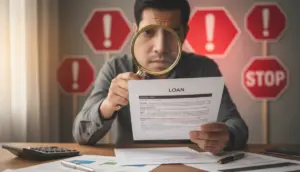



Understanding the Basics: What Are Unsecured Loans?
An unsecured loan is a type of financing that is not backed by any form of collateral. Unlike a mortgage or an auto loan, where the property itself secures the debt, unsecured loans are granted based on your creditworthiness and financial profile.
The lender is taking a greater risk because if you default, they have no specific asset to seize and sell to recoup their losses. This fundamental difference is why lenders place such a heavy emphasis on factors like your credit score, income, and debt-to-income ratio during the application process. For a detailed overview, you can learn more about the mechanics of an unsecured loan on Wikipedia.
For individuals with poor credit, this might seem like a paradox. However, many modern lenders specialize in this market. They have developed sophisticated risk assessment models that look beyond just a three-digit credit score.
They analyze your income stability and existing debt obligations to determine if you can realistically afford the new loan payments. These financial products serve a critical need, providing access to capital for emergencies, debt consolidation, or necessary purchases for those who may not own significant assets to use as security.
Why Lenders Offer No Collateral Needed Unsecured Loans for Bad Credit
You might wonder why a financial institution would take the risk of lending money without security to someone with a history of credit challenges. The answer lies in a calculated balance of risk and reward.
Lenders who operate in this space understand the market and have priced their products accordingly to compensate for the increased potential for default. This is primarily achieved through higher annual percentage rates (APRs) and sometimes origination fees. The higher interest you pay covers the potential losses from borrowers who are unable to repay their loans.
Furthermore, these lenders focus intently on affordability. They are less concerned with your past financial mistakes and more interested in your current and future ability to make payments. By verifying your income and calculating your debt-to-income (DTI) ratio, they ensure the loan payment won’t over-extend your budget. (see also: Ultimate Guide: Instant Online Loan Approval Tips)
This approach allows them to serve a broader segment of the population while managing their portfolio’s overall risk. Offering personal loans for bad credit has become a specialized, and profitable, niche within the financial industry. (see also: Ultimate Loan Application Hacks: Ensure Fast Approval)(see also: Ultimate Guide: Apply Like Pro for Fast Personal Loans)
Key Types of Unsecured Loans Available to You
When exploring no collateral needed unsecured loans for bad credit, you’ll find several options tailored to different needs and financial situations. Understanding the distinctions is crucial for selecting the right product.
Each type has its own structure, terms, and ideal use case, so matching the loan to your specific requirement ensures a better outcome. From structured repayment plans to flexible credit access, the market offers a variety of solutions for subprime borrowers.
Personal Installment Loans
Vai por mim, this is the most common form of unsecured financing. You borrow a lump sum of money and repay it in fixed monthly payments, or installments, over a predetermined period (e.g., 24 to 60 months). This predictability makes budgeting easy, as you always know how much is due.
These are ideal for larger one-time expenses like medical bills or consolidating higher-interest debts into a single, manageable payment. Many online lenders specialize in providing the best installment loans for bad credit with no hidden fees, making them highly accessible.
Short-Term & Payday Alternative Loans (PALs)
For smaller, more urgent cash needs, short-term loans can be an option. However, it’s vital to be cautious of traditional payday loans with their exorbitant fees. A much safer choice is a Payday Alternative Loan (PAL) offered by federal credit unions.
These are small-dollar loans with more reasonable interest rates and longer repayment terms designed to help members avoid predatory lending. They are a responsible way to handle an unexpected shortfall without falling into a debt trap.
Lines of Credit
An unsecured line of credit offers more flexibility than an installment loan. Instead of a lump sum, you get approved for a credit limit and can draw funds as needed, up to that amount. You only pay interest on the money you actually use. (see also: Rebuild Credit Fast: Top Loans for Poor Credit Scores)
This is perfect for ongoing projects or as an emergency fund, where you don’t know the exact final cost upfront. As you repay the balance, your available credit is replenished, allowing you to borrow again without reapplying.
The Pros and Cons of No-Collateral Financing
Navigating the world of unsecured loans requires a clear understanding of both the benefits and the potential drawbacks. While they provide essential access to funds, their structure reflects the higher risk lenders assume. Weighing these factors carefully against your personal financial situation is key to making a responsible borrowing decision. The convenience and accessibility must be balanced with the cost and terms of the loan.
The advantages are significant, especially for those in a tight spot. Here are some of the primary benefits: (see also: Ultimate Guide: Top 7 Best Bad Credit Loans for Low Scores)
- No Risk to Personal Assets: Your home, car, or savings are not on the line if you fail to repay the loan.
- Faster Approval and Funding: Without the need for an asset appraisal, the application and funding process is often much quicker, sometimes within one business day.
- Wider Accessibility: These loans are available to individuals who may not own significant assets to offer as collateral.
- Potential to Rebuild Credit: Making consistent, on-time payments on an unsecured loan is reported to credit bureaus and can help improve your credit score over time.
- Simplified Application Process: The focus is primarily on income and credit history, simplifying the paperwork required.
However, the disadvantages are equally important to consider. The primary drawback is the cost. Because the loan is unsecured, lenders charge higher interest rates to compensate for their risk, especially for borrowers with bad credit.
Loan amounts may also be smaller compared to secured options. It’s crucial to ensure the monthly payment is affordable to avoid falling into a debt cycle. Being aware of these downsides is the first step toward responsible borrowing.
A Step-by-Step Guide to Applying for Your Loan
Securing a loan when you have bad credit can feel overwhelming, but following a structured process can significantly improve your chances of success. By preparing properly and understanding what lenders are looking for, you can navigate the application with confidence.
This systematic approach helps you present the strongest possible case and find the most favorable terms available for your situation. (see also: Ultimate Guide: Instant Online Loan Approval Tips)
- Assess Your Financial Health: Before you apply, get a clear picture of where you stand. You can get free copies of your credit reports from official sources as highlighted by the Federal Trade Commission. Review them for errors. Calculate your debt-to-income (DTI) ratio by dividing your total monthly debt payments by your gross monthly income. Lenders use this to gauge your ability to handle new debt.
- Research and Compare Lenders: Don’t accept the first offer you see. Compare online lenders, credit unions, and traditional banks that specialize in loans for bad credit. Look at their APR ranges, fees (like origination or prepayment penalties), loan terms, and customer reviews. Prequalifying with multiple lenders using a soft credit check won’t hurt your score and allows you to see real rates.
- Gather Necessary Documentation: Lenders will need to verify your identity and income. Have your documents ready to speed up the process. This typically includes a government-issued ID, recent pay stubs or bank statements, proof of address, and your Social Security number.
- Complete and Submit the Application: Fill out the application form carefully and accurately. Any inconsistencies can cause delays or lead to a denial. Double-check all information before submitting.
- Review the Loan Offer Carefully: If approved, you’ll receive a loan agreement. Read it thoroughly before signing. Pay close attention to the APR, total cost of the loan, monthly payment amount, and any fees. Ensure you understand all the terms and are comfortable with them.
Building a Stronger Application for Unsecured Loans for Bad Credit
When seeking no collateral needed unsecured loans for bad credit, strengthening your application can make the difference between approval and denial, or a high and a manageable interest rate. Lenders are evaluating risk, so your goal is to present yourself as a reliable borrower despite a low credit score.
This involves highlighting your financial stability and demonstrating a clear ability to repay the debt. Proactive steps can significantly enhance your profile in the eyes of a potential lender.
One of the most effective strategies is to apply for a manageable amount. Requesting a smaller sum reduces the lender’s risk and increases your chances of approval. Consider if small personal loans for bad credit could meet your needs instead of a larger amount.
Additionally, if possible, consider adding a co-signer with a strong credit profile to your application. This provides the lender with an extra layer of security, as the co-signer is equally responsible for the debt. This can unlock better rates and higher loan amounts, but be aware that it puts your co-signer’s credit at risk if you miss payments.
Frequently Asked Questions
What credit score is considered ‘bad credit’?
Generally, FICO scores below 580 are considered poor or ‘bad credit.’ Scores in the 580 to 669 range are typically classified as fair. Lenders specializing in bad credit loans often work with applicants across this entire spectrum, but the terms offered will be more favorable for those with higher scores within this range.
Can I get an unsecured loan with a 500 credit score?
Yes, it is possible to get an unsecured loan with a 500 credit score, but your options will be limited and more expensive. Lenders will place a very high emphasis on your income, job stability, and debt-to-income ratio. You should be prepared for high interest rates and fees, and you may only be approved for a smaller loan amount.
How quickly can I get funds from an unsecured loan?
Many online lenders offer very fast funding for unsecured loans. Once you are approved and have signed the loan agreement, it’s possible to receive the funds in your bank account as soon as the next business day. This speed is a major advantage for those facing urgent expenses or emergencies.
Will applying for multiple unsecured loans hurt my credit?
Yes, submitting multiple formal applications in a short period can hurt your credit score. Each application typically results in a hard credit inquiry, which can lower your score by a few points. It’s better to use pre-qualification tools that use soft inquiries to compare rates without impacting your credit score.
Are there any guaranteed approval unsecured loans for bad credit?
No, there is no such thing as a guaranteed approval loan from a legitimate lender. All reputable lenders must perform some level of due diligence to assess a borrower’s ability to repay. Promises of guaranteed approval are a major red flag for predatory lending scams; always proceed with caution if you see this type of claim. (see also: Best Quick Unsecured Loans: Your Guide to Fast Cash)
Conclusion: Your Next Steps to Financial Flexibility
When traditional lending avenues are closed, understanding that there are no collateral needed unsecured loans for bad credit explored here provides a powerful alternative. These financial tools can be a crucial lifeline for covering unexpected costs, consolidating debt, or investing in a necessary purchase without risking your personal property.
The key is to approach the process with diligence, focusing on your ability to repay and carefully comparing lenders to find the most affordable and responsible option for your situation. With the right information, you can move forward with confidence.
- Crédito pessoal – Wikipédia, a enciclopédia livre (pt.wikipedia.org)
- Crédito consignado – Wikipédia, a enciclopédia livre (pt.wikipedia.org)
- Empréstimo para negativado: tudo o que você precisa saber – SeuDireito (seudireito.proteste.org.br)
Sources
- Unsecured loan — Definition and characteristics of loans not backed by collateral.
- Unsecured Loan Definition — Financial dictionary entry explaining loans without collateral requirements.
- Credit reports and scores — Understanding how credit information impacts loan eligibility and terms.
- Bad Credit Personal Loans — Guide to finding and securing personal loans with a low credit score.
- Bad credit personal loans — Information
on how to qualify for personal loans when your credit score is less than ideal.
Frequently Asked Questions
Can I get an unsecured loan with a very low credit score?
While challenging, it is possible. Lenders specializing in bad credit consider factors beyond just your credit score, such as your income, employment history, and debt-to-income ratio. Be prepared for higher interest rates and potentially stricter repayment terms compared to those with excellent credit.
What interest rates should I expect on an unsecured loan for bad credit?
Interest rates for unsecured loans with bad credit are typically significantly higher than standard personal loans. Annual Percentage Rates (APRs) can range from 15% to 35.99% or even higher, depending on the lender, your credit profile, and the loan amount. Always compare offers and understand the total cost of the loan.
How can I improve my chances of approval for an unsecured loan?
To boost your approval odds, focus on demonstrating a stable income, a low debt-to-income ratio, and a consistent payment history (even if some past payments were late). Consider applying with a co-signer who has good credit, or explore secured loan options if available, as collateral reduces lender risk.
Are there alternatives to unsecured loans for bad credit?
Yes, alternatives include secured personal loans (using collateral like a car title), credit builder loans, payday alternative loans (PALs) from credit unions, and borrowing from friends or family. Each option has its own pros and cons regarding interest rates, repayment terms, and accessibility. (see also: Best Quick Unsecured Loans: Your Guide to Fast Cash)
How quickly can I receive funds from an unsecured loan for bad credit?
Many online lenders specializing in bad credit loans offer quick processing. Once approved, funds can often be deposited into your bank account within one to two business days. However, the exact timing depends on the lender’s policies and your bank’s processing times.
Conclusion
Navigating the world of unsecured loans with bad credit can seem daunting, but it’s far from impossible. While you might face higher interest rates and stricter terms, understanding your options, comparing lenders, and being prepared with a solid financial picture can significantly improve your chances.
Remember, responsible repayment of an unsecured loan can also serve as a powerful tool to rebuild your credit score, opening doors to better financial opportunities in the future. Always borrow wisely and prioritize your long-term financial health
Frequently Asked Questions
What is considered bad credit?
Generally, a FICO score below 670 is considered fair or bad credit. Lenders often classify scores below 580 as “very poor.” While the exact threshold varies by lender, having a score in these ranges typically means you’ll face more stringent approval criteria and higher interest rates when seeking unsecured loans, reflecting the increased risk for the lender.
How can I improve my chances of approval for an unsecured loan with bad credit?
To boost your approval odds, focus on demonstrating repayment ability. This includes having a stable income, a low debt-to-income ratio, and potentially offering a co-signer with good credit. Providing clear documentation, explaining any past financial hardships, and choosing lenders specializing in bad credit loans can also significantly help your application.
Are there alternatives to unsecured loans for bad credit?
Yes, several alternatives exist. These include secured loans (which require collateral), credit builder loans, borrowing from credit unions, or seeking help from non-profit credit counseling services. Additionally, some peer-to-peer lending platforms or community development financial institutions (CDFIs) may offer more flexible terms for individuals with lower credit scores.
Will applying for an unsecured loan hurt my credit score?
A “hard inquiry” on your credit report, which typically occurs when you formally apply for a loan, can temporarily lower your credit score by a few points. However, checking pre-qualification offers (often a “soft inquiry”) usually doesn’t affect your score. It’s wise to limit hard inquiries by only applying for loans you’re reasonably confident you’ll be approved for.
What interest rates can I expect with bad credit?
With bad credit, you should expect significantly higher interest rates compared to borrowers with good credit. Rates for unsecured personal loans can range from 15% to 36% APR or even higher, depending on the lender, your specific credit profile, and the loan term. Always compare offers and understand the total cost of the loan before committing.
Conclusion
Securing an unsecured loan with bad credit is a viable path for many, offering essential funds without the need for collateral. While the journey may present challenges in terms of higher interest rates and stricter terms, thorough research and a commitment to responsible repayment can not only provide the financial relief you need but also serve as a crucial step towards repairing and strengthening your credit profile for a more secure financial future.