Find Loans That Match Your Profile
Compare vetted lenders side-by-side. Review APR, terms, and eligibility before deciding.
Compare LendersThat sinking feeling after a loan rejection from a traditional bank is all too common. When you have a low credit score, the doors to conventional financing can feel firmly shut, especially when you’re facing an urgent expense like a medical emergency, car repair, or unexpected home maintenance. It’s a frustrating cycle that can push people toward desperate measures, such as high-interest payday loans or title loans, which often lead to deeper debt traps due to their exorbitant fees and short repayment terms.
But there is a better way. A growing number of proven online lenders specialize in personal loans for individuals with bad credit, offering a legitimate, safer, and more structured path to the funds you need. These lenders often employ different underwriting models, looking beyond just a credit score to assess a borrower’s overall financial health and ability to repay. This comprehensive guide will illuminate the path to securing these loans responsibly, helping you understand how they work, what to look for, and how to steer clear of predatory traps while also working towards improving your financial future.
Related Stories




Why Traditional Banks Often Say No to Bad Credit
When you apply for a loan at a brick-and-mortar bank or credit union, the primary factor they consider is your credit score, typically your FICO score. This three-digit number, ranging from 300 to 850, is a summary of your credit history and serves as a quick measure of your reliability as a borrower. A low score, generally considered below 630, signals higher risk to conservative financial institutions. Traditional banks operate on established risk models that often automatically disqualify applicants who don’t meet their stringent credit score thresholds, regardless of other positive financial indicators.
The FICO score is calculated based on several key factors, each weighted differently: payment history (35%), amounts owed (30%), length of credit history (15%), new credit (10%), and credit mix (10%). A low score often indicates a history of missed payments, high credit card balances, short credit history, or past bankruptcies. For traditional banks, these factors represent a higher probability of default, making them hesitant to lend. Their business models are built on minimizing risk and maximizing predictable returns, which means they prefer borrowers with a proven track record of excellent credit management. Furthermore, regulatory requirements and internal policies often limit their flexibility in underwriting loans for subprime borrowers, pushing individuals with less-than-perfect credit out of their target demographic.
How Online Lenders Offer a Lifeline for Bad Credit Borrowers
Unlike traditional banks, many online lenders have carved out a niche by specializing in personal loans for individuals with less-than-perfect credit. Their operational models and risk assessment strategies are often more flexible, allowing them to serve a broader spectrum of borrowers who might otherwise be overlooked. This specialization doesn’t mean they ignore risk; rather, they approach it differently.
A Different Approach to Risk Assessment
Online lenders often utilize alternative data points beyond just your FICO score to evaluate your creditworthiness. While your credit score remains a factor, they may also consider your employment history, income stability, bank account activity, educational background, and even utility payment history. This holistic approach provides a more comprehensive picture of your financial habits and your current ability to repay a loan, rather than solely relying on past credit mishaps. For instance, a borrower with a low credit score due to an old medical bill but a stable job and consistent income may still qualify for a loan from an online lender, whereas a traditional bank might reject them outright.
Streamlined Application and Faster Approvals
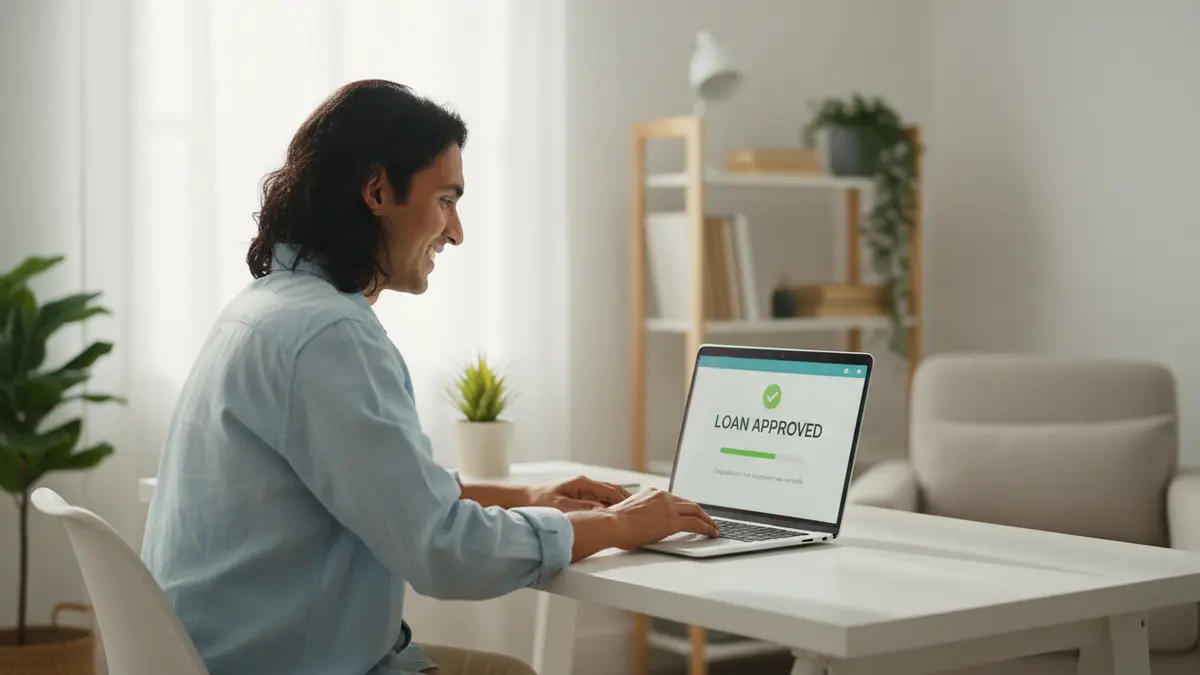
One of the most significant advantages of online lenders is their efficiency. The entire application process, from initial inquiry to receiving funds, can often be completed online, eliminating the need for in-person visits and extensive paperwork. Many online platforms offer pre-qualification options with a soft credit check, which doesn’t impact your credit score, allowing you to see potential rates and terms before committing to a full application. Once approved, funds can often be disbursed directly into your bank account within one to two business days, providing quick access to cash for urgent needs. This speed and convenience are invaluable for individuals facing time-sensitive financial challenges.
Access to a Wider Pool of Lenders
Online lending platforms often act as marketplaces, connecting borrowers with multiple lenders who specialize in bad credit loans. This means that by submitting one application, you might receive offers from several different lenders, increasing your chances of approval and allowing you to compare terms, rates, and fees to find the most suitable option for your situation. This competitive environment can sometimes lead to more favorable terms than if you were to approach individual lenders one by one.
Types of Bad Credit Personal Loans and What to Expect
Understanding the different types of personal loans available for bad credit can help you choose the option that best fits your financial situation and risk tolerance.
Unsecured Personal Loans
Most personal loans are unsecured, meaning they don’t require collateral like a car or home. Approval for unsecured loans for bad credit borrowers is heavily reliant on your income, debt-to-income ratio, and the lender’s assessment of your ability to repay. Because there’s no collateral, these loans typically come with higher interest rates to offset the increased risk the lender takes on. Loan amounts can vary widely, from a few hundred to several thousand dollars, with repayment terms usually ranging from 12 to 60 months. While the interest rates are higher than for good credit borrowers, they are generally significantly lower and more manageable than those associated with payday loans or title loans.
Secured Personal Loans
A secured personal loan requires you to put up an asset as collateral, such as a savings account, certificate of deposit (CD), or even a vehicle. The collateral reduces the lender’s risk, which can lead to lower interest rates and potentially higher loan amounts, even for borrowers with bad credit. If you fail to repay the loan, the lender has the right to seize the collateral. While this option carries higher risk for the borrower, it can be a viable path to obtaining necessary funds and, if managed responsibly, can help rebuild credit.
Co-signed Personal Loans
If you have bad credit, securing a loan with a co-signer who has good credit can significantly improve your chances of approval and potentially lead to better terms and lower interest rates. A co-signer legally agrees to take responsibility for the loan if you fail to make payments. This reduces the lender’s risk, as they have another party to pursue for repayment. However, it’s crucial to understand that a co-signer’s credit will also be affected if payments are missed, and it can strain relationships if not handled responsibly.
Interest Rates and Fees
When exploring bad credit personal loans, it’s vital to pay close attention to the Annual Percentage Rate (APR). The APR includes both the interest rate and any additional fees, giving you a true cost of borrowing. Common fees include origination fees, which are deducted from the loan amount before you receive it, and late payment fees. Some lenders may also charge prepayment penalties if you pay off your loan early, though this is less common with personal loans. Always compare the APR across different lenders to get the clearest picture of the total cost.
Loan Amounts and Terms
Loan amounts for bad credit personal loans typically range from $500 to $50,000, though the specific amount you qualify for will depend on the lender, your income, and your overall financial profile. Repayment terms usually span from 1 to 5 years, with monthly installments. Longer terms often mean lower monthly payments but result in more interest paid over the life of the loan. Shorter terms mean higher monthly payments but less overall interest. It’s essential to choose a loan amount and term that results in affordable monthly payments you can comfortably manage within your budget.
Navigating the Online Lending Landscape: What to Look For
The online lending market is vast, and while it offers many legitimate options, it also contains predatory lenders. Due diligence is crucial to protect yourself.
Reputation and Reviews
Before applying, research the lender’s reputation. Look for reviews on independent consumer review sites like Trustpilot, the Better Business Bureau (BBB), and financial forums. Pay attention to both positive and negative feedback, specifically regarding customer service, transparency of terms, and how complaints are handled. A lender with a long history of positive customer experiences is generally a safer bet.
Transparency in Terms and Conditions
A reputable lender will be completely transparent about all loan terms, including the APR, fees, repayment schedule, and any penalties. All of this information should be clearly outlined in the loan agreement. Be wary of lenders who are vague about costs, pressure you to sign quickly, or use confusing jargon without explanation. You should be able to easily find their licensing information and contact details.
Customer Service and Support
Good customer service is a hallmark of a reliable lender. Test their responsiveness by reaching out with questions before you apply. Do they offer multiple contact methods (phone, email, chat)? Are their representatives knowledgeable and helpful? Being able to get clear answers to your questions can save you significant headaches down the line.
Data Security and Privacy
Since you’ll be sharing sensitive personal and financial information online, ensure the lender uses robust data encryption and has a clear privacy policy. Look for “https://” in the website address and a padlock icon in your browser, indicating a secure connection. Review their privacy policy to understand how your data will be used and protected.
The Application Process: Step-by-Step
Applying for a bad credit personal loan online is typically straightforward, but preparation can make it even smoother.
Gathering Your Documents
Before you begin, have essential documents ready. This usually includes government-issued identification (driver’s license or passport), proof of income (pay stubs, tax returns, bank statements), and bank account details for direct deposit and repayment. Some lenders might also ask for proof of residence or employment verification.
Pre-qualification vs. Full Application
Many online lenders offer a pre-qualification process, which involves a soft credit inquiry that won’t affect your credit score. This allows you to see potential loan offers, interest rates, and terms without commitment. If you find an offer that suits you, you can then proceed with a full application, which typically involves a hard credit inquiry that may temporarily ding your credit score by a few points.
Understanding the Offer
Once you receive a loan offer, take the time to read the loan agreement thoroughly. Pay close attention to the APR, monthly payment amount, total interest paid over the life of the loan, and any associated fees. Ensure you understand all the terms and conditions before signing. Don’t hesitate to ask the lender for clarification on anything unclear.
Receiving Funds
Upon approval and signing the loan agreement, the funds are typically disbursed directly into your designated bank account. The timeline for receiving funds can vary, but many online lenders can deposit the money within one to two business days.
Building Better Credit for the Future
A bad credit personal loan, when managed responsibly, can be a tool for financial improvement, not just a temporary fix. It offers an opportunity to demonstrate responsible borrowing behavior.
The Power of Timely Payments
Making all your loan payments on time and in full is the single most effective way to improve your credit score. Payment history accounts for 35% of your FICO score. As you consistently make payments, this positive activity will be reported to credit bureaus, gradually building a stronger credit profile.
Monitoring Your Credit Report
Regularly check your credit reports from the three major bureaus (Equifax, Experian, and TransUnion) for errors. You are entitled to a free copy of your credit report from each bureau annually via AnnualCreditReport.com. Disputing inaccuracies can help improve your score. Understanding what’s on your report also helps you identify areas for improvement.
Reducing Credit Utilization
Your credit utilization ratio (the amount of credit you’re using compared to your total available credit) accounts for 30% of your FICO score. Keeping this ratio below 30% is generally recommended. If you have credit cards, try to pay down balances to improve this ratio.
Diversifying Credit Mix
While less impactful, having a mix of credit types (e.g., installment loans like personal loans and revolving credit like credit cards) can positively influence your score over time. A bad credit personal loan can contribute to this mix, showing your ability to manage different types of debt responsibly.
Avoiding Predatory Lenders and Scams
The urgency often associated with needing a bad credit loan can make individuals vulnerable to unscrupulous lenders. Knowing the red flags is crucial for protection.
Warning Signs of Predatory Lending
Be extremely cautious of lenders who guarantee approval regardless of credit, demand upfront fees before any loan is disbursed, pressure you into signing immediately, or don’t clearly disclose their rates and terms. Legitimate lenders will always conduct some form of credit assessment, even if it’s based on alternative data, and will never ask for payment to “process” your loan before you receive the funds. High-pressure sales tactics and vague answers to your questions are also major red flags.
The Dangers of Rollovers and Debt Traps
Predatory loans, particularly certain payday loans, often feature extremely short repayment periods and high fees. If you can’t repay the loan by the due date, the lender might offer a “rollover” or “extension,” adding more fees and interest to the original amount. This can quickly lead to a cycle of debt where you’re constantly paying fees without ever reducing the principal, trapping you in a never-ending cycle of borrowing. Always prioritize lenders offering clear installment plans with fixed interest rates.
Verifying Lender Legitimacy
Before committing to any loan, verify the lender’s legitimacy. Check if they are registered to operate in your state, as lending regulations vary by jurisdiction. You can often find this information on your state’s financial regulatory website. The Federal Trade Commission (FTC) provides guidance on various loan types and consumer protection, which can be a valuable resource.
While a low credit score can feel like a barrier to financial stability, it doesn’t have to be a permanent roadblock. Online lenders specializing in bad credit personal loans offer a viable and often safer alternative to high-risk options like payday loans. By understanding how these loans work, diligently researching lenders, carefully reviewing terms, and committing to responsible repayment, you can secure the funds you need and take significant steps towards rebuilding your credit and achieving greater financial health. Always prioritize transparency, affordability, and the long-term impact on your credit when making your decision.
Sources
- Credit reports and scores — Understand how credit scores impact loan eligibility and financial health.
- Loans — Federal Trade Commission guidance on various loan types and consumer protection.
- Bad Credit Loan — Investopedia’s definition and explanation of loans for individuals with poor credit.
- Best Bad Credit Personal Loans of 2024 — NerdWallet’s guide to finding personal loans for those with bad credit.
- Bad Credit Personal Loans — Bankrate’s advice and comparisons for personal loans with lower credit scores.
- Credit score — Wikipedia’s comprehensive overview of credit scores and their significance in lending.
Frequently Asked Questions About Bad Credit Personal Loans
What is considered a “bad credit score”?
While definitions can vary, traditional financial institutions generally consider a FICO score below 630 to be a low or “bad” credit score. This score indicates a higher risk to lenders due to factors like missed payments, high credit card balances, or a short credit history.
Can I get a personal loan with no credit check?
Legitimate online lenders will always conduct some form of credit assessment, even if it’s based on alternative data points beyond just your FICO score. While pre-qualification often uses a “soft” credit check that doesn’t impact your score, a full loan application typically involves a “hard” credit inquiry, which may temporarily ding your credit score by a few points. Be wary of any lender promising “no credit check” loans, as this can be a red flag for predatory practices.
How quickly can I receive funds from an online lender?
One of the significant advantages of online lenders is their efficiency. After approval and signing the loan agreement, funds are often disbursed directly into your designated bank account within one to two business days. This quick access to cash can be invaluable for urgent financial needs.
Are bad credit personal loans always more expensive?
Generally, yes. Because lenders take on increased risk when offering loans to individuals with bad credit, these loans typically come with higher interest rates compared to those offered to borrowers with excellent credit. However, they are usually significantly more manageable and have lower Annual Percentage Rates (APRs) than high-interest options like payday loans or title loans. Secured personal loans, which require collateral, may offer lower rates due to reduced lender risk.
Will applying for a bad credit personal loan hurt my credit score?
The initial pre-qualification process, which allows you to see potential loan offers, usually involves a “soft” credit check that does not negatively impact your credit score. However, if you decide to proceed with a full application, the lender will typically perform a “hard” credit inquiry. This hard inquiry may cause a temporary, slight dip in your credit score, usually by a few points.