
In our fast-paced digital world, it’s easy to lose track of where your money goes. Developing Smart Money Habits: Essential Apps to Track Spending Easily provides a clear path to financial control and confidence. These powerful tools automate the tedious work of monitoring expenses, offering you a real-time snapshot of your financial health. By understanding your spending, you can finally build a budget that works for you. Keep reading to discover the applications that can revolutionize how you manage your money and unlock your savings potential.
Why Tracking Your Spending is the Cornerstone of Financial Health
Understanding where your money goes is the first, most critical step toward financial wellness. Without a clear picture of your cash flow, creating a budget is merely guesswork. Manually tracking every purchase is tedious, but modern technology removes this barrier completely. When you consistently monitor your expenses, you uncover the unconscious spending patterns and small leaks that drain your resources over time. This awareness is the foundation of building lasting wealth and achieving your long-term financial goals.
Related Stories




This practice is a core component of financial literacy, empowering you to make informed decisions rather than emotional ones. Seeing the cumulative impact of daily coffee runs or subscription services can be a powerful motivator for change. It transforms abstract financial concepts into concrete, actionable data.
By making tracking a regular habit, you shift from being a passive participant in your finances to an active, strategic manager of your own economic future. The clarity gained is invaluable for everything from paying down debt to investing for retirement.
Unlocking Financial Clarity: How Spending Tracker Apps Work
The core function of a spending tracker app is to simplify and automate financial oversight. These apps typically connect to your financial accounts—checking, savings, credit cards, loans—using secure, third-party services like Plaid. Once linked, the app automatically imports your transaction data in a read-only format, meaning it can see your activity but cannot initiate any transactions.
This combination of convenience and security is what makes these tools so powerful for modern personal finance management.
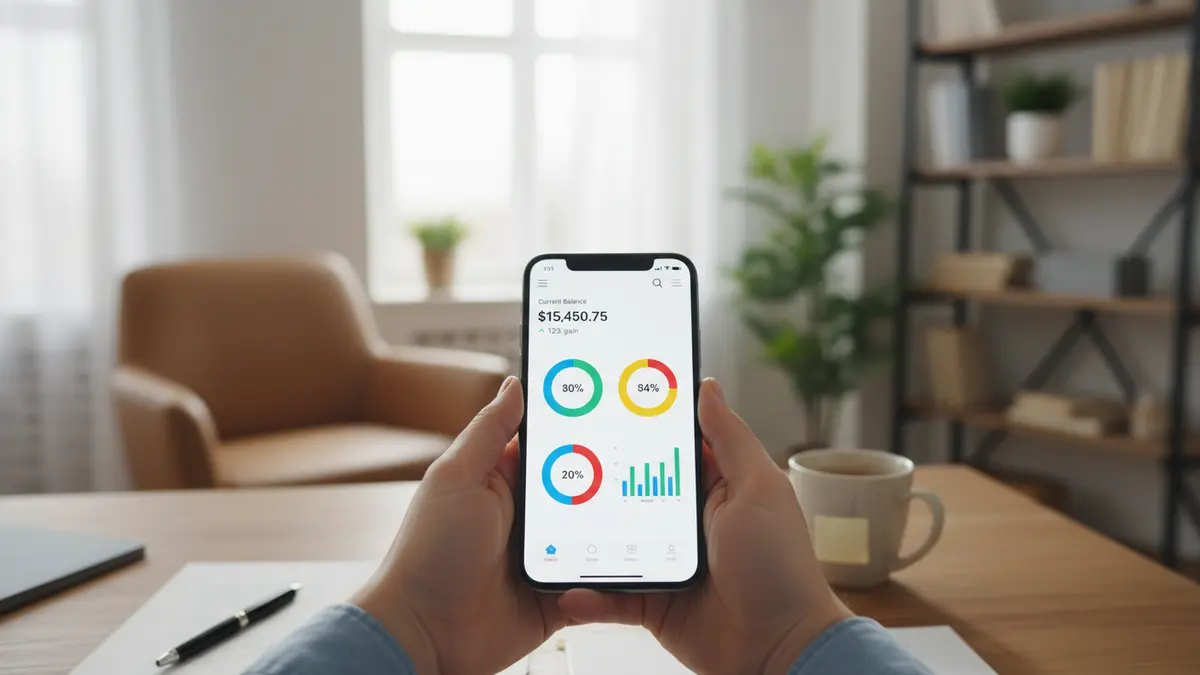
Once the data is imported, the app’s software gets to work. It intelligently categorizes each transaction, labeling it as ‘Groceries,’ ‘Utilities,’ ‘Transportation,’ or ‘Entertainment.’ This eliminates the need for manual data entry in spreadsheets. You can then view detailed reports and colorful charts that visualize your spending habits.
This effortless insight helps you immediately identify areas where you may be overspending, paving the way for creating more effective budgets and savings plans. These apps turn raw data into a clear story about your financial life. (see also: Ultimate Guide: Play Popular Online FPS Games Like a Pro)
Automated Categorization: The Magic Behind the Scenes
The true power of these apps lies in their ability to automatically sort your spending. When you swipe your card at a supermarket, the app recognizes the merchant and instantly tags the expense as ‘Groceries.’ This process uses sophisticated algorithms and a vast database of merchants. While it’s not always perfect, most apps allow you to easily re-categorize transactions and create custom rules.
For instance, you can teach the app to always classify purchases from a specific store as ‘Pet Supplies,’ ensuring greater accuracy over time and making your financial reports incredibly detailed.
Key Features to Look for in a Top-Tier Spending Tracker App
Not all financial apps are created equal. When choosing a tool to manage your money, it’s crucial to look for a specific set of features that ensure security, flexibility, and utility. The right app should feel like a personal finance assistant, providing insights that help you build smart money habits. It should do more than just show you numbers; it should empower you to act on them.
A comprehensive feature set is what separates a basic ledger from a transformative financial tool.
Prioritize applications that offer robust functionality to cover all aspects of your financial life. From daily spending to long-term goals, the right platform will provide a holistic view. Before you commit to one, evaluate your options based on the following essential criteria:
- Bank-Level Security: The app must use multi-factor authentication and robust encryption to protect your sensitive financial data.
- Customizable Budgeting Categories: A one-size-fits-all approach doesn’t work for personal finance. Look for the ability to create, edit, and delete categories to match your unique lifestyle.
- Bill and Subscription Reminders: Avoid late fees and unwanted renewals with alerts for upcoming bills and recurring charges.
- Goal Setting and Tracking: The app should allow you to set specific savings goals (e.g., ‘Vacation Fund,’ ‘New Car’) and track your progress automatically.
- Comprehensive Reporting: Visual tools like pie charts and bar graphs make it easy to understand your spending trends at a glance.
- Cross-Platform Syncing: Ensure the app works seamlessly across your devices, like your smartphone and desktop, for access anytime, anywhere.
Na real, cultivating Smart Money Habits with Essential Apps
Using technology is a powerful way to develop smart money habits with essential apps. These tools are designed to foster financial discipline by providing constant, objective feedback on your spending. When you see a real-time chart showing that your ‘Dining Out’ category is about to exceed its monthly limit, you are far more likely to reconsider ordering takeout.
This immediate feedback loop is crucial for behavior modification, helping you close the gap between your financial intentions and your actual actions. The app acts as an accountability partner that is always with you.
This data-driven approach removes emotion from your financial decisions. Instead of feeling guilty about a purchase, you can assess it based on its impact on your overall budget. For example, an app might show you that you’ve spent $250 on subscription services this year, a figure that might surprise you and prompt a review.
According to a report from The New York Times, many consumers underestimate their recurring expenses. By making this information visible, apps empower you to make conscious choices that align with your goals, turning mindless spending into mindful financial management. This is the essence of building sustainable, smart money habits.
From Data to Decisions: Making Your Spending Reports Actionable
A report full of numbers is useless without interpretation and action. The best way to use the data from your tracking app is to schedule a weekly ‘money minute.’ During this time, review your spending for the past week. Look for trends, identify any surprise purchases, and check your progress against your budget. This regular check-in keeps you engaged and in control.
To take the next step, you must master budgeting with the best apps for everyday finances, turning insights into a concrete plan for your money. (see also: Unlock Your Flexible Future: Best Part-Time Online Jobs)
A Step-by-Step Guide to Getting Started with a Tracking App
Adopting a new financial tool can feel daunting, but the process is designed to be user-friendly. The initial setup is a small investment of time that pays significant dividends in financial clarity and control. By following a structured approach, you can ensure a smooth transition and start benefiting from the app’s insights almost immediately.
The key is to be methodical and patient as you integrate the tool into your financial routine. Here is a simple, five-step plan to get you started on the right foot.
Following these steps will help you build a solid foundation for better financial management. Remember, the goal is not just to track spending but to use that information to improve your financial habits over the long term. This structured setup process ensures you get the most value from your chosen application from day one, setting you up for success in achieving your financial goals.
- Research and Choose Your App: Start by reading reviews and comparing the features of top-rated spending trackers. Consider what matters most to you—simplicity, detailed reporting, or advanced features like investment tracking.
- Securely Link Your Financial Accounts: Once you’ve chosen an app, follow the prompts to connect your bank accounts and credit cards. This is typically done through a secure portal that ensures your login credentials are encrypted and protected.
- Review and Refine Categories: Spend 15-20 minutes reviewing the past month of transactions. The app will have auto-categorized them, but you should adjust them to fit your personal spending reality. This ensures your budget is accurate.
- Set Your First Realistic Budget: Use the initial data as a baseline to create your first budget. Start with major categories like housing, food, and transportation. Be realistic; you can tighten the budget over time.
- Schedule Regular Check-ins: Consistency is crucial. Set a recurring reminder on your calendar—once a week or every few days—to open the app, review your spending, and ensure you’re on track.
Olha, beyond Budgeting: Advanced Features to Boost Your Finances
Once you’ve mastered the basics of tracking and budgeting, you can explore the more advanced features that many financial apps offer. These tools can provide a more holistic view of your financial health, extending far beyond daily expense management. Many top-tier apps now include net worth tracking, which aggregates the value of your assets (like savings and investments) and subtracts your liabilities (like loans and credit card debt).
Watching your net worth grow over time can be a powerful motivator to stick with your smart money habits.
Another valuable advanced feature is investment portfolio monitoring. Some apps can sync with your brokerage accounts to give you a snapshot of your investment performance alongside your spending data. This integrated view helps you see how your daily habits contribute to your long-term wealth-building goals.
Furthermore, many apps offer free credit score monitoring and alerts. They notify you of significant changes to your credit report, which is essential for protecting against identity theft and understanding your borrowing power. Exploring these features can elevate your financial strategy to the next level.
Frequently Asked Questions
Is it safe to link my bank account to a spending app?
Yes, reputable spending apps use bank-level security and connect via trusted third-party services like Plaid. They typically use read-only access, meaning the app can view your transaction history but cannot move money or make changes to your account. Always choose apps that require multi-factor authentication for an added layer of protection.
How much do these financial tracking apps cost?
Olha, many excellent spending tracker apps offer robust free versions that are perfect for most users. These usually include account syncing, automatic categorization, and basic budgeting tools. Premium versions, which may cost between $5 and $15 per month, often add advanced features like net worth tracking, custom reports, and debt payoff planners.
Sério, can a spending app really help me save more money?
Absolutely. By making you aware of where your money is going, these apps expose wasteful spending and identify savings opportunities. The visual feedback and budget alerts help you stay accountable to your financial goals. Users often report saving hundreds of dollars once they see the clear data on their spending habits and make informed adjustments.
How long does it take to form a money-tracking habit?
Like any new habit, consistency is key. Most experts suggest it takes at least 30 to 60 days of consistent effort to form a lasting habit. Start by scheduling a 5-minute check-in with your app every other day. Once you begin to see the benefits and feel more in control of your finances, the process becomes much more natural and motivating.
What’s the difference between a budgeting app and a tracking app?
While the terms are often used interchangeably, there’s a slight difference. A tracking app primarily focuses on recording and categorizing past spending. A budgeting app is more forward-looking, helping you create a plan for your future income using methods like zero-based budgeting. Most top applications today combine both functions, allowing you to track expenses to inform and adjust your budget.
Take Control with Smart Money Habits Today
Embracing technology is the most efficient way to build a strong financial foundation in the modern world. The journey to financial freedom begins with a single, powerful step: understanding your own spending. By leveraging these tools, you transform ambiguity into clarity and anxiety into confidence.
Cultivating Smart Money Habits: Essential Apps to Track Spending Easily is not about restriction; it’s about empowerment. It’s about aligning your financial behavior with your deepest life goals. Start today by choosing an app and taking the first step toward a more secure future.
- Finanças pessoais – Wikipédia, a enciclopédia livre (wikipedia.org)
- Curso de Educação Financeira Pessoal – Escola Virtual Gov (escolavirtual.gov.br)
- Como eu faço um orçamento pessoal ou familiar – Banco Central do Brasil (bcb.gov.br)
Sources
- Money management — Official guide to managing finances and making informed spending decisions.
- Budget — Definition and importance of creating a personal financial budget.
- Best Budgeting Apps — Reviews and comparisons of top applications for tracking expenses and budgeting.
- Budgeting — Expert advice and tools for effective personal financial planning.