
To ace the interview: essential tips for securing remote job offers are more critical than ever in today’s digital-first job market. Unlike in-person meetings, a virtual interview presents unique challenges, from technical hurdles to conveying personality through a screen. Mastering this format is key to demonstrating your professionalism, competence, and suitability for a remote environment.
This guide provides actionable strategies to navigate every stage, ensuring you stand out and land the offer. Let’s dive into how you can transform your screen into a stage for success.
Related Stories



Mastering the Pre-Interview Tech and Environment Check
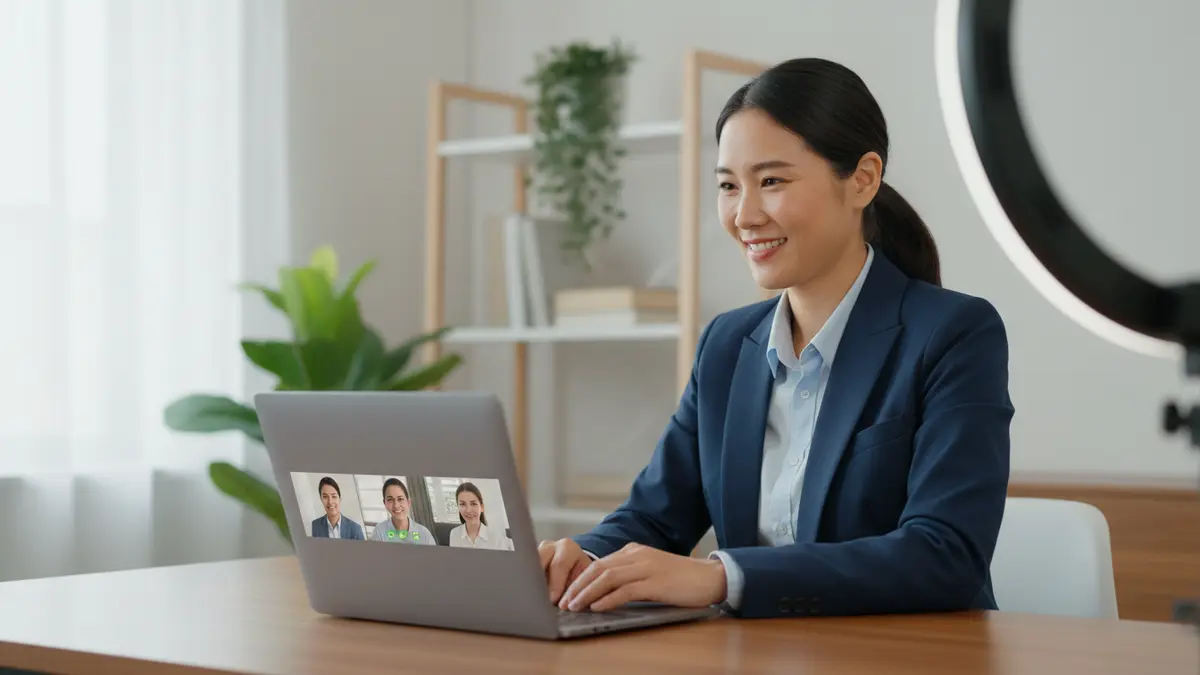
Your first impression in a remote interview happens before you even say hello. A flawless technical setup signals that you are professional, prepared, and serious about the opportunity. Weeks before the interview, test your internet connection’s stability, ensuring it can handle a prolonged video call without issue.
Your webcam should provide a clear, high-definition image, and your microphone or headset must transmit your voice without static or echoes. Treat this setup as you would your interview attire; it’s a fundamental part of your presentation. Mastering this initial phase is crucial to ace the interview: essential tips for securing remote job offers begin with a flawless technical setup.
Equally important is your physical environment. Choose a quiet, well-lit space where you won’t be interrupted. Natural light is best, so try to face a window. If that’s not possible, use a lamp to illuminate your face from the front, avoiding backlighting that can cast you in shadow.
Your background should be clean, professional, and free of clutter. A tidy bookshelf, a neutral wall, or a tasteful virtual background can convey organization and focus. A chaotic background can distract the interviewer and suggest a disorganized work style, which is a major red flag for a remote role.
Creating a Professional and Distraction-Free Zone
Your interview space is a direct reflection of your working style. Inform your family or roommates of your interview schedule to prevent unexpected interruptions. Place a sign on your door as a final reminder. Silence all notifications on your computer and phone to maintain absolute focus on the conversation.
By curating a controlled environment, you show the interviewer that you can create a productive home office, a key requirement for anyone looking to master remote work from home and truly ace the interview: essential tips for securing remote job offers. This preparation minimizes stress and allows your skills to shine.
How to Ace the Interview: Communication in a Virtual Setting
Effective communication is the cornerstone of any successful interview, but it requires a different approach in a virtual setting. Without the benefit of physical presence, you must be more intentional with your verbal and non-verbal cues. To simulate eye contact, look directly into the camera lens when you speak, not at the interviewer’s image on your screen.
This creates a sense of direct engagement and connection. Nod and use small affirmations to show you are actively listening while the interviewer is speaking. This prevents awkward silences and demonstrates your engagement. This section will guide you on how to ace the interview: essential tips for securing remote job offers by mastering virtual communication.
Your body language is still on full display. Sit up straight, lean slightly forward to show interest, and use hand gestures naturally as you would in a face-to-face conversation. A genuine smile can instantly build rapport and make you seem more approachable. Be mindful of your facial expressions, as they are magnified on screen.
Projecting enthusiasm and confidence through your posture and expressions can significantly impact the interviewer’s perception. Remember, they are not just evaluating your answers, but also assessing how well you would integrate into a team through a screen. (see also: Master Virtual Interviews: Land Top Remote Roles in 2026)(see also: Ultimate Guide: Cracking Remote Job Interviews for Tier A Roles)
Projecting Confidence and Enthusiasm Virtually
Your vocal tone plays a massive role in a video interview. Speak clearly, at a moderate pace, and vary your pitch to convey enthusiasm and avoid sounding monotonous. It can be helpful to do some vocal warm-ups beforehand. Before the call, take a moment to review the job description and your qualifications.
This preparation will boost your confidence, allowing you to answer questions smoothly and thoughtfully. Proving you can communicate effectively in this format is a direct demonstration of your readiness for a remote career and helps you ace the interview: essential tips for securing remote job offers.
Research and Preparation: The Remote Advantage
One of the key advantages of a remote interview is the ability to have your notes and research readily accessible, though they should be used discreetly. Your preparation should be thorough, covering the company’s mission, values, recent achievements, and key personnel. Explore their website, recent press releases, and the LinkedIn profiles of your interviewers.
Understanding their background and the company’s trajectory allows you to tailor your answers and ask insightful questions that show genuine interest. A 2023 report highlighted that candidates who demonstrate deep company knowledge are significantly more likely to advance, a fact supported by industry analysis from sources like Reuters.
Thorough preparation is a significant advantage when you aim to ace the interview: essential tips for securing remote job offers. (see also: Master Virtual Interviews: Land Top Remote Roles in 2026)(see also: Ultimate Expert Tips Remote: Ace Global Remote Job Interviews)
Prepare your answers using a structured method. The STAR method (Situation, Task, Action, Result) is an excellent framework for answering behavioral questions. Prepare several examples from your past experience that highlight skills relevant to the remote role, such as time management, independent problem-solving, and digital communication.
Having these stories ready prevents you from fumbling for an answer and allows you to deliver a concise, impactful narrative. You can even have bullet points on a sticky note next to your camera for quick reference.
- Company Culture and Values: Does their mission resonate with you? How can you demonstrate alignment?
- The Role Itself: Go beyond the job description. What are the unstated expectations for this remote position?
- Recent Company News: Mention a recent product launch or company milestone to show you are up-to-date.
- Interviewer Profiles: Knowing their role and background on LinkedIn helps you build rapport.
- Key Competitors: Understanding the competitive landscape shows strategic thinking.
Navigating Common Remote-Specific Interview Questions
Hiring managers for remote positions need to be certain you have the discipline and skills to thrive without direct supervision. Expect questions designed to assess your autonomy, communication preferences, and ability to stay motivated. Common questions include, “How do you manage your time and stay organized when working from home?” or “What collaboration tools are you familiar with?”
Prepare to answer these with specific examples. Don’t just say you’re organized; describe the system you use, whether it’s a digital tool like Asana or a personal time-blocking method. Successfully answering these questions is vital to ace the interview: essential tips for securing remote job offers.
Another critical area is how you handle professional isolation and maintain team cohesion. You might be asked, “How do you ensure you stay connected with your team members while working remotely?” Your answer should highlight proactive communication habits, such as scheduling regular check-ins, utilizing instant messaging for quick questions, and participating actively in virtual team-building activities.
Showcasing your experience with platforms like Slack, Microsoft Teams, or Zoom is essential. These answers provide concrete evidence that you are not just capable of remote work but are already thinking like a successful remote employee, a crucial step if you’re looking for online jobs from anywhere. (see also: Ultimate Guide: Ace the Interview for Remote Job Offers)
Demonstrating Your Remote Work Readiness
To truly convince the interviewer, frame your past experiences through a remote-work lens. If you managed a project, emphasize how you coordinated tasks across different time zones using digital tools. If you solved a complex problem, highlight how you took the initiative without needing a manager physically present.
Every answer should subtly reinforce the message: you are a self-starting, trustworthy, and digitally fluent professional who will be an asset, not a liability, in a distributed team environment.
The Art of the Follow-Up for Remote Positions
In a remote hiring process, where you lack the physical handshake and small talk of an in-person meeting, a well-crafted follow-up is your final opportunity to make a lasting impression. It solidifies your interest in the role and reinforces the connection you built during the interview.
A generic, template-based email is not enough. Your message should be personalized, referencing specific points of your conversation. Mentioning a project the interviewer was excited about or a common interest you discovered shows that you were actively listening and engaged.
This follow-up is also a chance to briefly reiterate your value. Connect your skills to a specific need or challenge discussed during the interview, framing yourself as the solution. If you forgot to mention a relevant achievement, this is a subtle way to
Sources
- Federal Reserve — authoritative reference
- IRS — authoritative reference
- Consumer Financial Protection Bureau — authoritative reference
- Federal Trade Commission — authoritative reference
- Investopedia — authoritative reference
Frequently Asked Questions About Acing Remote Interviews
How important is my technical setup for a remote interview?
Your technical setup is extremely important as it forms your first impression. A stable internet connection, a clear webcam, and a good microphone signal professionalism and preparedness. Treat it with the same importance as your interview attire.
What should my physical environment look like for a virtual interview?
Choose a quiet, well-lit space, ideally facing a window for natural light. Your background should be clean, professional, and free of clutter. Inform others in your household to prevent interruptions and silence all notifications to maintain focus.
How can I project confidence and enthusiasm virtually?
To project confidence and enthusiasm, look directly into the camera lens to simulate eye contact. Sit up straight, lean slightly forward, and use natural hand gestures. Speak clearly at a moderate pace, varying your pitch, and smile genuinely to build rapport.
What kind of questions should I expect for a remote job interview?
Expect questions designed to assess your autonomy, time management, communication preferences, and ability to stay motivated without direct supervision. Be prepared to discuss how you handle professional isolation, maintain team cohesion, and your familiarity with collaboration tools.
Is a follow-up email necessary after a remote interview?
Yes, a well-crafted follow-up email is crucial. It’s your final opportunity to make a lasting impression, solidify your interest, and reinforce the connection. Personalize the message by referencing specific points from your conversation and briefly reiterate your value.