

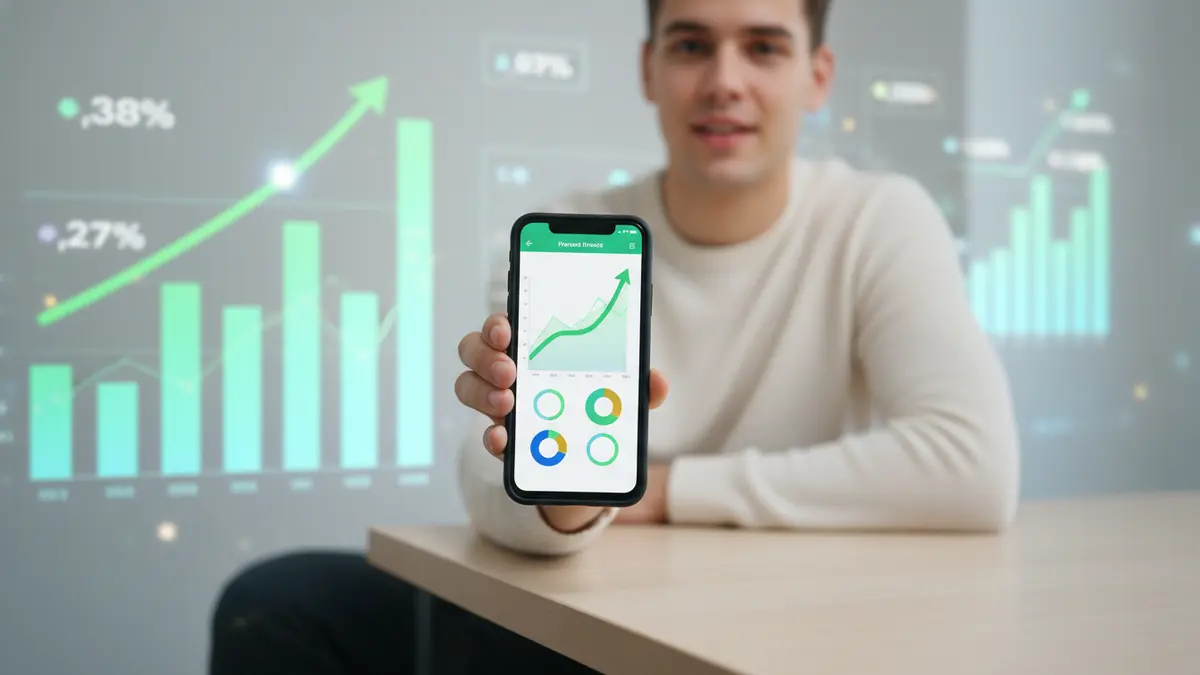
Improving your quick cash flow with top apps for managing daily finances is no longer a luxury—it’s a necessity for financial stability. In a world where every dollar counts, understanding where your money goes is the first step toward building wealth and reducing stress.
The right digital tool can transform confusing spreadsheets and forgotten receipts into a clear, actionable plan for your financial future. If you’re ready to stop guessing and start controlling your money, let’s explore the applications that put a financial advisor right in your pocket.
The Foundation: Why Digital Finance Management is Crucial
The days of balancing a checkbook by hand are largely behind us. Today, technology offers a powerful and efficient way to oversee your financial life. Digital finance management apps provide a real-time, comprehensive view of your accounts, transactions, and overall net worth in one secure place.
Related Stories




This immediate access allows you to make informed decisions on the fly, preventing overspending and identifying savings opportunities as they arise. According to information on the evolution of financial technology, the industry has rapidly grown to provide consumers with unprecedented control.
Beyond simple tracking, these platforms leverage data to offer personalized insights. They can categorize your spending automatically, showing you exactly how much you spend on groceries, entertainment, or subscriptions each month. This clarity is fundamental to creating a realistic budget you can actually stick with.
Many apps also include features for goal setting, whether you’re saving for a down payment, a vacation, or retirement. By visualizing your progress, you stay motivated and accountable, turning abstract financial goals into achievable milestones.
Top Apps for Budgeting and Expense Tracking
When it comes to daily financial management, budgeting and expense tracking are your front lines. Several standout apps have perfected this process, making it intuitive and almost effortless. These tools sync directly with your bank accounts, credit cards, and loans to automatically import and categorize transactions.
This eliminates manual data entry and gives you a constantly updated picture of your financial standing. The goal is to move from reactive spending to proactive financial planning, a journey best started with a clear view of your habits.
Leading applications in this space offer robust features designed to empower you. They provide detailed reports and visual charts that break down your spending patterns, helping you pinpoint areas where you can cut back. You can set custom budget limits for different categories and receive alerts when you’re approaching them, preventing costly overages.
Learning how to master budgeting with the best apps is your first step toward true financial freedom and improved cash flow. (see also: Best Digital Marketing Certifications: Your Ultimate 2026 Guide)
You Need a Budget (YNAB): The Proactive Approach
YNAB operates on a distinct philosophy: give every dollar a job. Instead of just tracking past spending, it forces you to plan for future expenses by allocating your income before you spend it. This forward-thinking method helps break the paycheck-to-paycheck cycle by ensuring you have funds set aside for both immediate needs and long-term goals.
It’s an empowering system that encourages intentionality with your money, making it a favorite for those serious about changing their financial habits.
Mint: The All-in-One Financial Hub
As one of the most popular free personal finance apps, Mint provides a holistic view of your financial life. It aggregates data from all your accounts—checking, savings, credit cards, investments, and loans—onto a single dashboard. Its powerful features include budget creation, spending categorization, credit score monitoring, and bill payment reminders.
Mint is an excellent starting point for anyone who wants a comprehensive, no-cost solution to understand and manage their daily finances effectively.
Boosting Quick Cash Flow: Apps for Savings and Investment
Once you have a handle on your daily spending, the next step is to make your money work for you. Specialized apps focused on automated savings and micro-investing can significantly boost your quick cash flow by building your net worth over time. These tools are designed to make saving and investing accessible, even if you have little capital or experience.
They work by making the process automatic and incremental, so you build wealth without feeling the pinch in your daily budget. This strategy creates a financial cushion for emergencies and a foundation for long-term growth.
Automated savings apps, for instance, analyze your income and spending to identify small, safe amounts of money to transfer to a separate savings account. Micro-investing apps round up your purchases to the nearest dollar and invest the spare change in a diversified portfolio.
This “set it and forget it” approach removes the friction and intimidation often associated with investing. By consistently putting small amounts aside, you harness the power of compounding, turning spare change into a substantial nest egg. These are some of the essential apps to track spending and save easily. (see also: How to Master Budgeting: Best Apps for Everyday Finances in 2026)
Streamlining Bill Payments and Avoiding Late Fees
Late fees are silent killers of cash flow. A single missed payment can result in a hefty penalty, a negative mark on your credit report, and unnecessary stress. Thankfully, technology offers a simple solution: bill management apps.
These platforms help you track all your recurring bills in one place, sending timely reminders before due dates to ensure you never miss a payment again. Some apps even allow you to pay your bills directly from the platform, further simplifying the process.
By centralizing your bills—from rent and utilities to credit cards and loan payments—you gain complete visibility and control. This organization prevents surprises and helps you plan your cash flow more effectively, as you know exactly when payments are due.
Consistently paying bills on time not only saves you money on fees but also helps improve your credit score, which can lead to better interest rates on future loans and financial products.
- Avoid Costly Fees: Stop giving your money away in late payment penalties.
- Protect Your Credit Score: On-time payments are a major factor in your credit health.
- Reduce Financial Stress: Gain peace of mind knowing your obligations are managed.
- Improve Budgeting Accuracy: Know exactly when and how much money is leaving your account.
- Save Time: Consolidate all your bills into one dashboard instead of juggling multiple websites.
A Closer Look at Improving Quick Cash Flow with Top Apps
To truly enhance your quick cash flow with top apps for managing daily finances, you must move beyond passive tracking and actively use the insights they provide. These applications are powerful analytical tools. Use their reporting features to conduct a monthly review of your spending.
Identify the top three categories where you spend the most and challenge yourself to reduce them by 10% next month. This single action can free up significant cash that can be redirected toward savings or debt repayment.
Another effective strategy is to leverage goal-setting features. Instead of a vague goal like “save more money,” create specific, measurable targets within the app, such as “Save $500 for an emergency fund by July.” The app will help you track your progress, keeping you motivated.
According to the New York Times Wirecutter, the best budgeting apps help users align their spending with their values and goals. This alignment is key to making lasting financial changes.
Here is a simple process to perform a financial health check-up using your chosen app: (see also: Ultimate Guide to Avoid Debt Traps: Proven Finance Apps)
- Link All Accounts: Ensure every financial account—checking, savings, credit, and investment—is connected to the app for a complete financial picture.
- Review Spending Categories: Spend 30 minutes analyzing the app’s auto-categorization. Correct any mislabeled transactions to ensure your data is accurate.
- Set or Adjust Your Budget: Based on your spending review, create or tweak budget limits for each category. Be realistic but firm about where you can cut back.
- Check Your Net Worth Trend: Look at the net worth report over the last three to six months. Is it trending up or down? This is the ultimate indicator of your financial health.
Beyond Budgeting: Apps for Gig Workers and Freelancers
The rise of the gig economy has created unique financial challenges for freelancers, contractors, and self-employed individuals. Variable income streams can make traditional budgeting difficult, and the responsibility of tracking expenses for tax purposes adds another layer of complexity.
Fortunately, a new class of financial apps is designed specifically for this workforce. These tools go beyond simple expense tracking to offer features like mileage logging, receipt capture, and quarterly tax estimation.
Apps like QuickBooks Self-Employed or Wave help freelancers manage their business and personal finances seamlessly. They can help you separate business expenses from personal ones, create and send professional invoices, and track payments from clients.
The most critical feature is often the tax estimation tool, which calculates your estimated quarterly tax payments based on your income, helping you avoid a massive tax bill at the end of the year.
For a freelancer, maintaining a healthy and predictable cash flow is paramount, and these apps provide the structure needed to achieve it. As reported by major outlets like Reuters, the freelance workforce is a significant and growing part of the modern economy, making these tools more essential than ever.
Frequently Asked Questions
Are these finance apps secure?
Yes, reputable finance apps use bank-level security measures to protect your data. This includes multi-factor authentication and 256-bit encryption. They typically have read-only access to your transaction data, meaning they cannot move money without your permission. Always choose well-known apps and check their security protocols before linking your accounts.
Do I have to pay for the best finance apps?
Not necessarily. Many excellent apps, like Mint, are free and supported by advertisements or partner offers. Other powerful
Sources
- Managing your money — Guidance on budgeting, saving, and financial planning for consumers.
- FinTech: What It Is, How It Works, and Major Technologies — Explains financial technology, its impact on services and daily finances.
- Best Budgeting Apps — Reviews and compares top applications for managing personal finances and spending.
- Best Budgeting Apps Of 2024 — Ranking and review of leading apps for personal financial management.
- Financial technology — Overview of technologies improving financial services, including personal finance tools.
- Best budgeting apps of 2024 — Guide to top budgeting apps for tracking spending and saving money.