


Find Loans That Match Your Profile
Compare vetted lenders side-by-side. Review APR, terms, and eligibility before deciding.
Compare LendersNavigating the choice of secured vs. unsecured loans: best options for bad credit scores can feel overwhelming when you urgently need funds. The fundamental difference lies in a single requirement: collateral. A secured loan requires you to pledge an asset, like a car or savings account, which can make approval easier.
An unsecured loan does not, relying solely on your creditworthiness. Understanding how each loan type works is the crucial first step toward making a confident financial decision that empowers your future. Keep reading to discover which path is right for you.
Related Stories

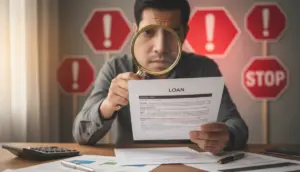


What Are Secured Loans and How Do They Work?
A secured loan is a type of financing backed by an asset you own, known as collateral. This collateral acts as a security deposit for the lender. If you fail to repay the loan as agreed, the lender has the legal right to seize the asset to recoup their losses.
Common examples of collateral include a vehicle, a home, or even a savings account. This arrangement significantly reduces the risk for financial institutions, making them more willing to lend money, even to individuals with less-than-perfect credit histories.
The process involves an appraisal of the asset to determine its value, which then influences the maximum loan amount you can borrow. For instance, with an auto title loan, the lender places a lien on your car title until the debt is fully paid.
Because the lender has a tangible asset to fall back on, the terms are often more favorable than those for unsecured options. This can translate to lower interest rates and potentially higher loan amounts, which are significant advantages when you’re working to manage your finances with a challenging credit score.
The Key Pros and Cons of Secured Loans for Bad Credit
When considering secured vs. unsecured loans for bad credit, the advantages of a secured option are compelling. The primary benefit is a higher likelihood of approval. Lenders are more comfortable extending credit when their investment is protected by collateral.
This security often leads to more attractive interest rates and fees compared to what you might be offered for an unsecured loan. You may also qualify for a larger loan amount, as the borrowing limit is tied to the value of your asset rather than just your credit profile.
However, the major drawback is significant and cannot be overlooked: the risk of losing your property. If you default on payments, the lender can and will repossess your car or foreclose on your home.
This risk makes it essential to be absolutely certain you can meet the repayment schedule. The application process can also be more complex and time-consuming, as it requires asset valuation and additional paperwork, which might not be ideal if you need cash urgently. (see also: Guide: Urgent Cash: Best Fast Loans for Bad Credit (2026))
Carefully weigh this risk against the potential benefits before committing. (see also: Ultimate Guide: Unsecured Loans for Bad Credit, No Collateral)
The Real Risk of Repossession
Defaulting on a secured loan initiates a legal process that can be both stressful and financially devastating. For an auto loan, this means repossession of your vehicle, which can happen swiftly and disrupt your ability to get to work and manage daily life.
For a home equity loan, the consequences are even more severe, potentially leading to foreclosure and the loss of your home. It’s critical to understand the terms of your loan agreement fully and have a solid repayment plan in place to avoid these worst-case scenarios.
Na real, understanding Unsecured Loans: Borrowing Without Collateral
Olha, unsecured loans represent the opposite side of the borrowing coin. These loans are granted based on your financial reputation and ability to repay, without requiring you to pledge any specific asset as collateral.
Lenders evaluate your credit score, income, employment history, and debt-to-income ratio to assess the risk of lending to you. Because there is no collateral to seize in case of default, these loans are inherently riskier for lenders, especially when dealing with borrowers who have low credit scores.
This increased risk for the lender directly impacts the loan’s terms. For applicants with bad credit, unsecured loans typically come with higher interest rates and origination fees. The loan amounts offered may also be smaller compared to secured options.
Despite these drawbacks, their primary appeal is safety for your assets. Your car and home are not on the line if you run into financial trouble. For many, this peace of mind is worth the higher cost, making unsecured loans a popular choice for debt consolidation or unexpected expenses. (see also: Slash Interest: How to Find the Cheapest Fast Loans in 2026)
Secured vs. Unsecured Loans for Bad Credit: A Head-to-Head Comparison
Making a direct comparison is the best way to decide between secured vs. unsecured loans for bad credit. Each has a distinct profile of risks and rewards that will appeal to different borrowers based on their unique circumstances.
For someone with a valuable asset and a stable income, a secured loan might offer a clear path to a lower interest rate. For another person who cannot risk their only vehicle, the higher cost of an unsecured loan is a necessary trade-off for security.
The choice ultimately hinges on your personal risk tolerance and financial stability.
To simplify the decision, consider these core differences:
- Collateral Requirement: Secured loans require an asset (like a car or home), while unsecured loans do not.
- Interest Rates: Secured loans generally offer lower Annual Percentage Rates (APRs) due to reduced lender risk.
- Approval Odds for Bad Credit: It is typically easier to get approved for a secured loan with a poor credit history.
- Loan Amounts: Secured loans may allow for larger borrowing amounts based on the collateral’s value.
- Borrower Risk: The primary risk for secured loans is asset loss; for unsecured loans, it’s damage to your credit score and potential legal action from collections.
- Lender Risk: Lenders face significantly less risk with secured loans, which is why the terms are more favorable.
Which Loan Type Offers Better Approval Rates?
For individuals with bad credit, secured loans almost always offer higher approval rates. The presence of collateral provides a safety net for the lender, making them far more likely to approve an application that would otherwise be denied based on credit score alone.
If your primary goal is to secure funding and you have an asset to leverage, a secured loan is statistically your safer bet for approval. However, always be mindful of the repayment terms to protect that asset.
How to Choose the Right Loan for Your Situation
Choosing the right loan involves a careful assessment of your personal financial landscape. Start by asking yourself critical questions. Do you have a valuable asset, like a paid-off car, that you are willing to use as collateral?
How much money do you absolutely need? A secured loan might allow a larger amount, but an unsecured loan could cover a smaller, urgent expense without putting your property at risk. (see also: Ultimate Guide to Online Quick Loans: Instant Approval Tips)
Your answer will heavily influence your decision in the secured vs. unsecured loans debate. Consider your primary goal—are you consolidating debt or covering an emergency repair? A debt consolidation loan might have different ideal features than a quick emergency loan.
Follow a structured approach to make an informed choice: (see also: Ultimate Guide to Car Loans for Bad Credit (2026 Approval))
- Assess Your Financial Health: Before applying, get a clear picture of your credit score, monthly income, and existing debts. This will help you understand what you can realistically afford to repay.
- Define Your Loan Needs: Determine the exact amount you need to borrow and for what purpose. Avoid borrowing more than necessary to keep payments manageable.
- Research Lenders: Look for lenders who specialize in bad credit financing. Read reviews and compare their offerings for both secured and unsecured products. Many online lenders now serve this market, a trend noted in reports by major news outlets like Reuters on financial technology.
- Pre-Qualify for Offers: Use pre-qualification tools on lenders’ websites. This allows you to see potential rates and terms with a soft credit check, which won’t hurt your credit score, and can help you pre-qualify for a bad credit loan more easily.
- Compare and Commit: Carefully compare the APR, fees, and repayment terms of each offer. Choose the loan that provides the best value and most manageable payment plan for your budget.
Improving Your Chances of Loan Approval with a Low Score
Even with bad credit, you can take proactive steps to strengthen your loan application and improve your odds of approval. Lenders are primarily concerned with your ability to repay the debt, so anything you can do to reduce their perceived risk will work in your favor.
One of the most effective strategies is to apply with a co-signer who has a strong credit history. A co-signer acts as a guarantor, promising to repay the loan if you are unable to, which provides a powerful layer of security for the lender.
Another key area to focus on is your income and employment stability. Demonstrating a steady, reliable source of income can often outweigh a poor credit history. If possible, lower your debt-to-income (DTI) ratio by paying down some existing debt before you apply.
For secured loans, offering a higher-value asset or a larger down payment can also make your application more appealing. These actions show financial responsibility and a commitment to meeting your obligations, making a lender more likely to approve your request for financing and help you on the path to rebuild credit fast.
Tipo, frequently Asked Questions
Vai por mim, can I get an unsecured loan with a 500 credit score?
Yes, it is possible to get an unsecured loan with a 500 credit score, but it will be challenging. You will likely face very high interest rates and fees. Lenders who approve these loans often look for other strengths, such as a stable income and a low debt-to-income ratio, to offset the risk associated with the low credit score. Your options will be limited, so research thoroughly.
Is a car title loan a good idea?
A car title loan, a type of secured loan, can be a risky option. While they provide fast cash, they come with extremely high interest rates and short repayment terms. If you fail to pay, you will lose your vehicle. These should only be considered as a last resort after all other options have been exhausted, and only if you are completely confident in your ability to repay it on time. (see also: Ultimate Guide to Car Loans
Sources
- Federal Reserve — authoritative reference
- IRS — authoritative reference
- Consumer Financial Protection Bureau — authoritative reference
- Federal Trade Commission — authoritative reference
- Investopedia — authoritative reference
FAQs About Secured vs. Unsecured Loans for Bad Credit
Can I get an unsecured loan with bad credit?
Yes, but it’s often more challenging. Lenders offering unsecured loans to borrowers with bad credit typically charge significantly higher interest rates to offset the increased risk. They might also impose stricter eligibility criteria or offer smaller loan amounts. Exploring options like co-signers or credit-builder loans could improve your chances.
What are the risks of a secured loan with bad credit?
The primary risk of a secured loan is losing your collateral if you fail to repay the loan. This means your car, home, or savings could be repossessed. While secured loans are easier to obtain with bad credit and often have lower interest rates, the potential loss of a valuable asset makes responsible repayment crucial.
Will a secured loan help improve my credit score faster?
Both secured and unsecured loans can help improve your credit score if managed responsibly. Making consistent, on-time payments demonstrates creditworthiness. Secured loans might be easier to qualify for, giving you an earlier opportunity to build a positive payment history. However, the speed of improvement depends more on consistent behavior than the loan type itself.
What happens if I default on a secured loan?
If you default on a secured loan, the lender has the legal right to seize and sell the asset you used as collateral to recover their losses. This process is called repossession (for vehicles) or foreclosure (for homes) and will severely damage your credit score, making it much harder to obtain credit in the future.
Are there alternatives to secured and unsecured loans for bad credit?
Yes, consider options like credit-builder loans, which are designed to help improve credit scores. You might also explore peer-to-peer lending, asking a trusted friend or family member for a loan, or seeking assistance from non-profit credit counseling agencies who can help you explore debt management plans or other financial solutions.
Conclusion
Navigating the lending landscape with bad credit can be daunting, but understanding the differences between secured and unsecured loans is your first step. While secured loans offer a path to approval with lower rates by using collateral, they carry the risk of asset loss. Unsecured loans provide flexibility but come with higher interest and stricter terms for those with poor credit. Carefully weigh the pros and cons, assess your ability to repay, and prioritize responsible borrowing to improve your financial standing.